
Summer 2026 is a correction. World Travel Magazine reads the six strongest signals. After two years of long-haul fatigue, visa friction, and a stubborn post-pandemic preference for the familiar, the travel map is being redrawn by three forces converging simultaneously: Gulf-hub carriers expanding seasonal Mediterranean routes at exactly the right moment, a cohort of European properties investing specifically in the guest experience, and a generation of travellers who have done the Maldives and Switzerland enough times to want the next thing with substance. The window is open. Here is where the signal is strongest.
GREECE
The Cyclades and the Peloponnese are the loudest signal this summer. Flydubai launches seasonal direct flights from Dubai to Mykonos and Santorini through late September, while Gulf Air restores Athens service from May — giving travellers routed through Dubai, Doha, and Bahrain the most complete set of Greek connections in years. Villa inventory across the Cyclades is deeper than it has been since 2023, and the booking window is still open for July and August in ways that Santorini and Mykonos rarely allow. The Grace Hotel, Auberge Resorts Collection in Imerovigli continues to set the standard on Santorini’s caldera — but the sharper play is the Peloponnese. Amanzoe, near Porto Heli, operates April through November with family-focused programming, private beach club access, and the kind of space and seclusion that caldera-view hotels cannot offer. For the traveller who has done Santorini and wants the next register of Greece, the Peloponnese is it. One more thing: Greece and Italy consistently rank among the world’s most vegetarian-friendly destinations. The Mediterranean’s deep tradition of olive oil, legume, cheese, and vegetable cookery — spanakopita, gigandes, horta, fava — makes it structurally easier for vegetarian travellers than almost any other European region. The theplas can stay home.
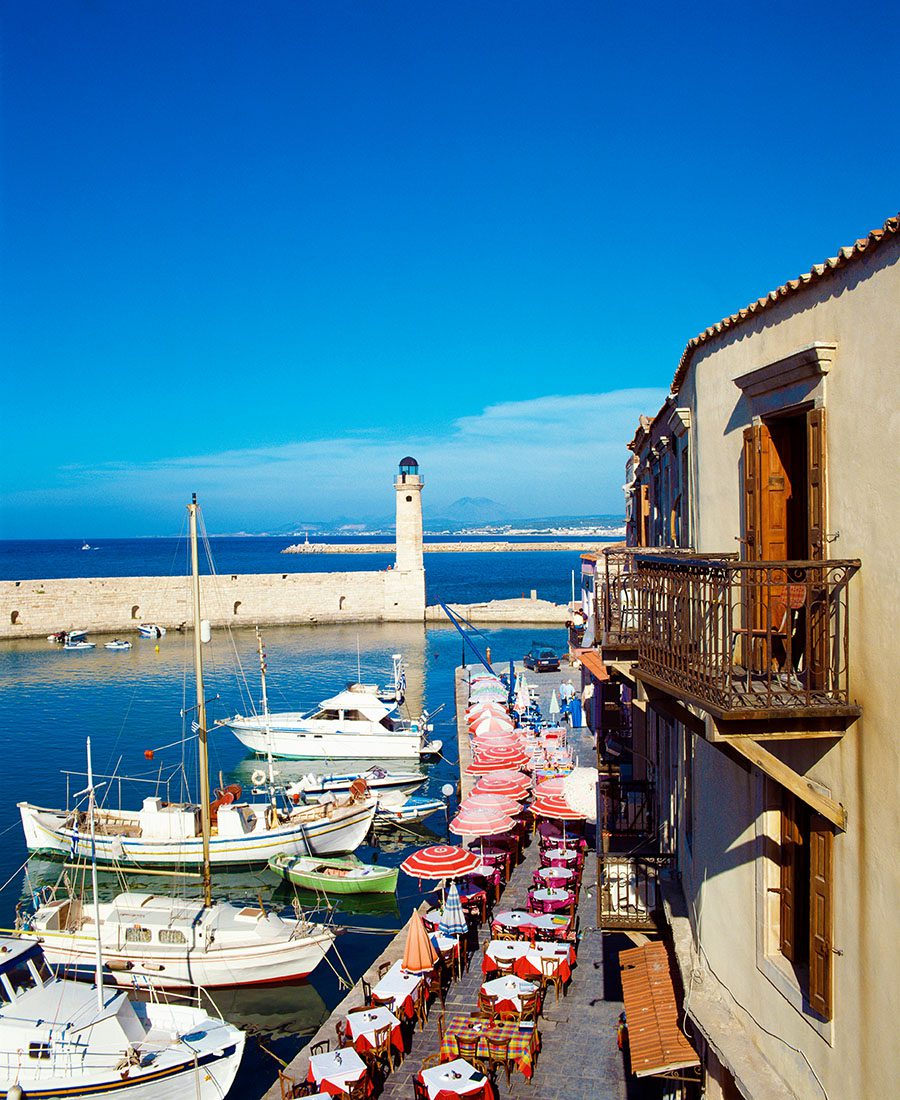
Outdoor restaurant in Rethymno, Crete, photo by Creatas Images
TURKEY
Istanbul and the Turquoise Coast are running a dual signal. The city itself remains unmatched for the traveller who wants cultural density — the Hagia Sophia, the bazaars, the Bosphorus — at a fraction of what comparable European capitals cost. But the real discovery this summer is the Bodrum corridor: fly into Milas-Bodrum, and within an hour you are at either Mandarin Oriental Bodrum on Paradise Bay or Six Senses Kaplankaya on a secluded Aegean stretch north of the peninsula. Both properties run at full capacity through summer, and both are investing in wellness programming that appeals directly to travellers seeking more than poolside. Flydubai operates seasonal Dubai-Bodrum service from June, making this a three-flight, same-day connection from Mumbai or Delhi. The play for the City-Plus Escapist: three nights in Istanbul, then a 60-minute domestic flight to the coast. Urban intensity followed by Aegean calm. No other Mediterranean pairing delivers that contrast so efficiently.
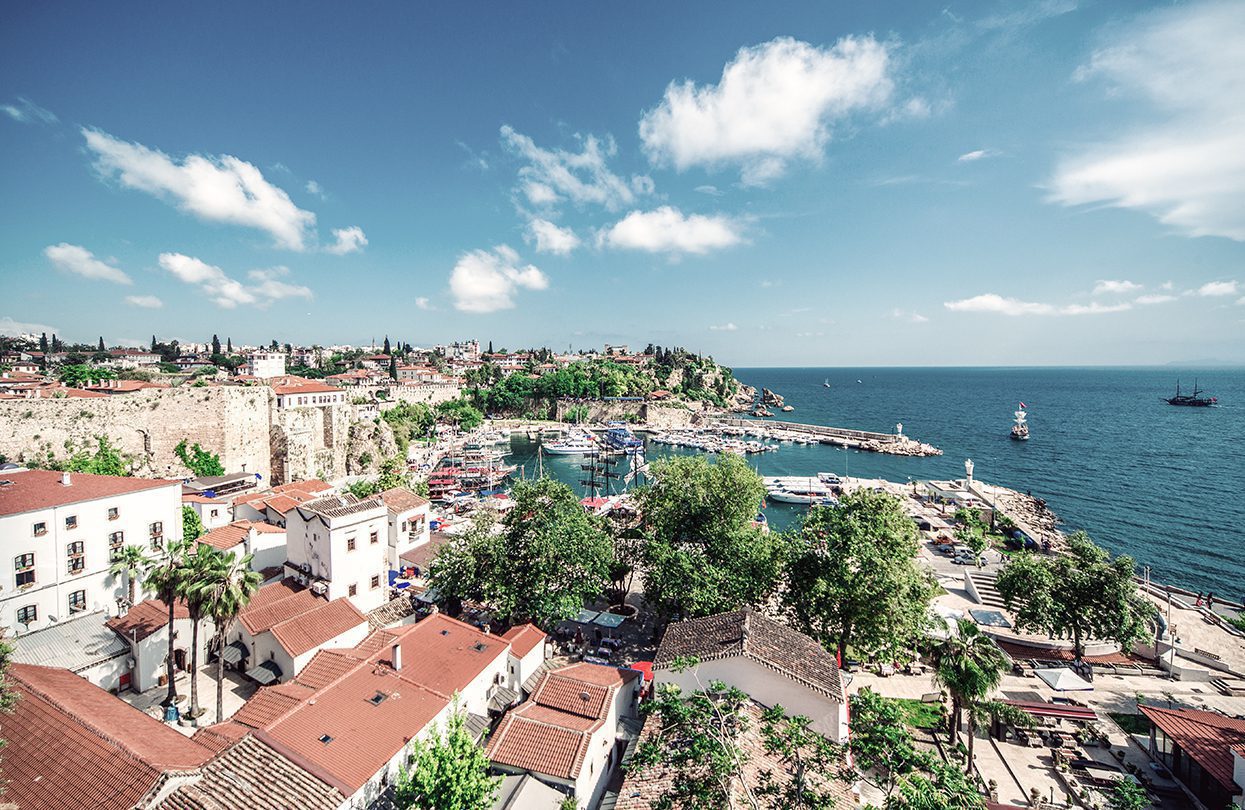
Antalya cityscape in Turkey, photo by Alex Tihonovs
CROATIA
Croatia recorded a historic 21.8 million tourist arrivals in 2025 — its best year — and 2026 is building further. The country’s full Schengen membership since January 2023 means a single visa now covers Croatia alongside the rest of Europe, eliminating the friction that once made it a secondary add-on. Flydubai’s seasonal Dubrovnik service from Dubai simplifies routing for travellers who previously needed double connections. The Adriatic is being rediscovered by families who know the Amalfi Coast and are looking for the same clarity of water, the same stone-town beauty, with less congestion and sharper value. Maslina Resort on Hvar — set among olive groves with a focus on wellness, local sourcing, and design restraint — is the property that best signals where Croatian luxury is heading. Palace Elizabeth Hvar on the main square offers the heritage-hotel alternative. Dubrovnik has matured well beyond its television-tourism phase; the old town is a genuinely layered cultural experience, and the Adriatic island-hopping infrastructure — ferries to Hvar, Korčula, Mljet — makes multi-stop itineraries seamless.
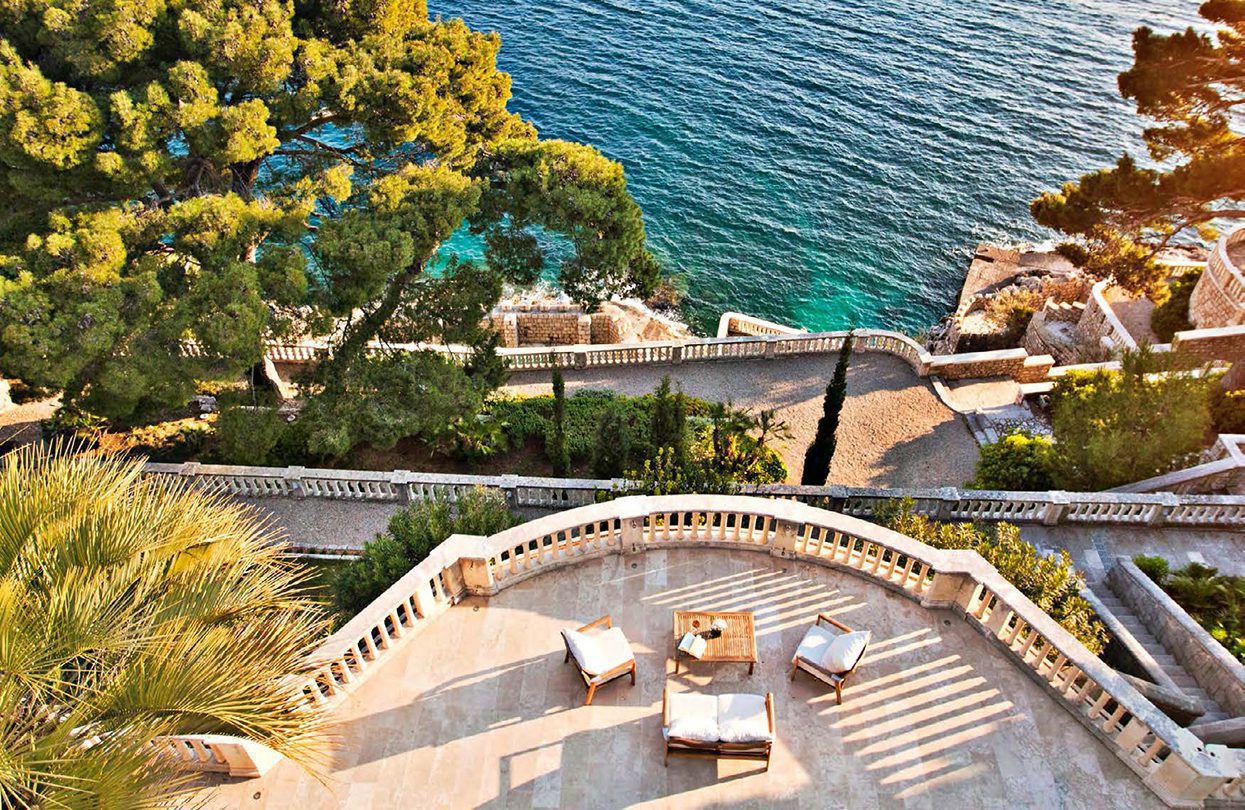
Villa Sheherezade of Adriatic Luxury Hotels, Croatia
SOUTHERN ITALY
The Amalfi Coast still has the name recognition. But Puglia and Sicily are where attention is moving — and the properties know it. Borgo Egnazia in Puglia has hosted weddings on a scale few European resorts can manage, complete with dedicated planning for multi-day celebrations including Baraat and Mehndi ceremonies. It is now the gold-standard family property in southern Italy: Michelin-starred dining at Due Camini, a children’s programme running from eight months, two beach clubs, and a spa built around Apulian ritual. The G7 summit held there in 2024 confirmed what the luxury circuit already knew — this is Italy’s most ambitious resort. Gulf Air’s restored Milan and Rome services from May 2026 tighten the routing. For the traveller who has outgrown Positano’s postcard-beautyand wants a region where the food is as serious as the architecture, Puglia’s Valle d’Itria delivers: trulli villages, orecchiette made by hand in Bari Vecchia’s streets, and an agricultural landscape that rewards slow travel.
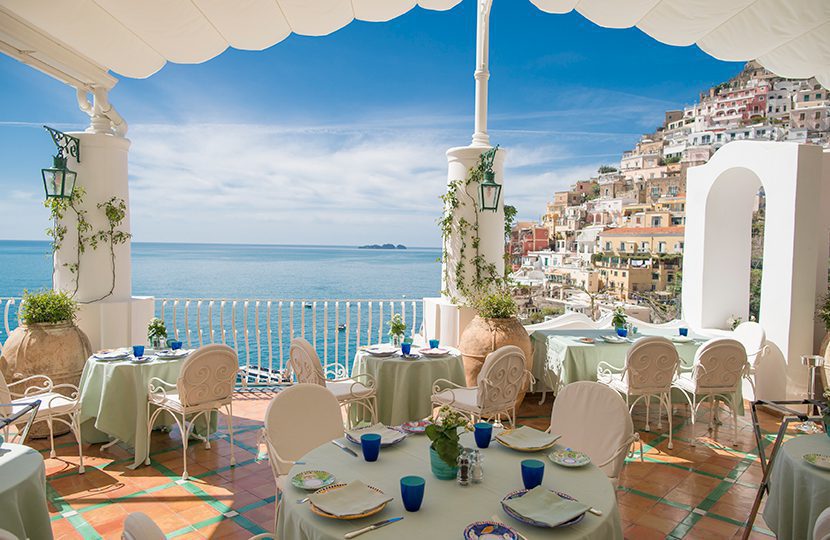
Hotel Le Sirenuse, Italy
JAPAN
Japan remains the strongest signal in East Asia. The Visit Japan campaign for 2026 is targeting beyond the obvious Japan itinerary, and traveller search activity for Osaka and Tokyo ranks among the highest in Asia this summer. But here is the shift: for the first time in two years, Japan is sharing wallet with the Mediterranean. The cost differential is narrowing as Gulf-hub Mediterranean routes multiply, and families who did Japan in 2024 or 2025 are rotating to Europe. Japan’s summer advantage is specific: festivals, the green landscapes of Hokkaido’s lavender fields, and the cool retreats of the Japanese Alps. The ryokan experience — tatami, kaiseki dining, onsen — remains unmatched for the traveller seeking restoration rather than stimulation. Ryokan Ohana in Yanagawa, Fukuoka, won the 2026 Japan Travel Awards Grand Prix: a 400-year-old residence still run by the founding family, and Japan’s only Nationally Designated Place of Scenic Beauty offering overnight stays. For the Restoration Seeker, nothing in the Mediterranean competes with this register of hospitality. But the honest signal is that Japan, this summer, faces its first serious competition from a resurgent Europe.
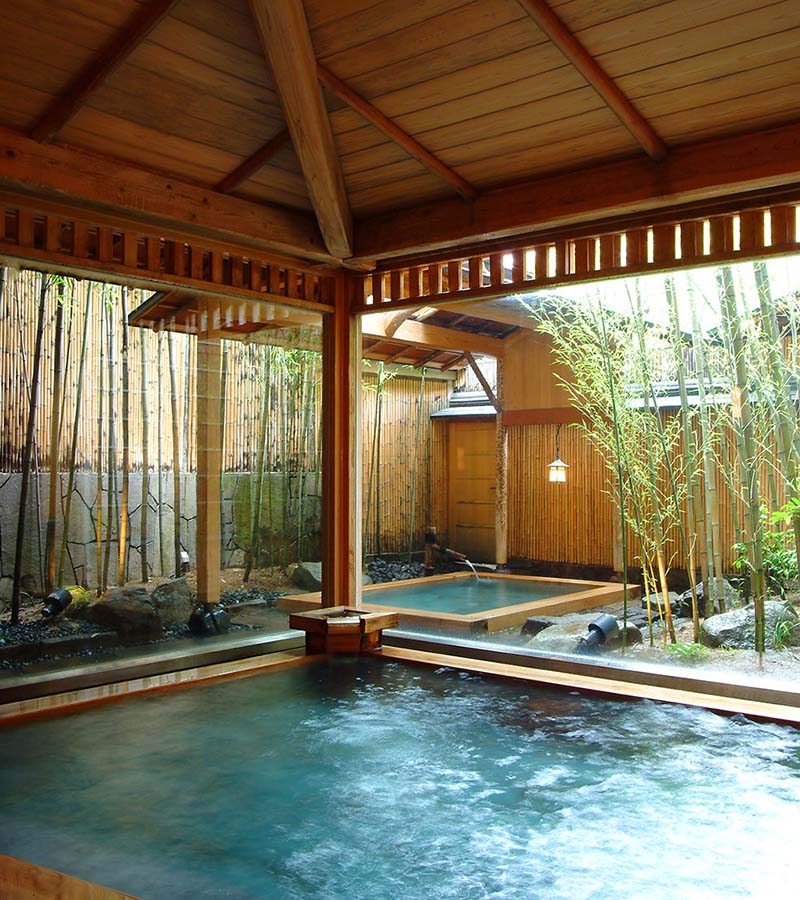
Kichino-yu, Japanese style onsen at Nishimuraya Honkan
SRI LANKA
The counter-signal. Sri Lanka’s luxury segment thrived between 2022 and 2025 precisely because Indian travellers stayed closer to home — shorter flights, no visa complexity, cultural familiarity. Now, as the Mediterranean pulls the luxury segment back to Europe, Sri Lanka faces a recalibration. The heavyweight brands are positioning the island’s luxury properties — including Anantara Peace Haven Tangalle Resort — around two pillars: holistic wellness and destination weddings, both segments where proximity and personalisation matter more than prestige postcode. Sri Lanka’s east coast enters its best season from May through September while the south and west are in monsoon. For the reader who values proximity, value, and authenticity over the Instagram spectacle of the Aegean, this is the moment: monsoon-season pricing from top-tier properties, fewer crowds, and a hospitality culture that the island’s general manager class — many of them trained at Aman and Four Seasons properties across Asia — delivers with a warmth that is difficult to replicate at scale. The smart booking is the east coast this July.
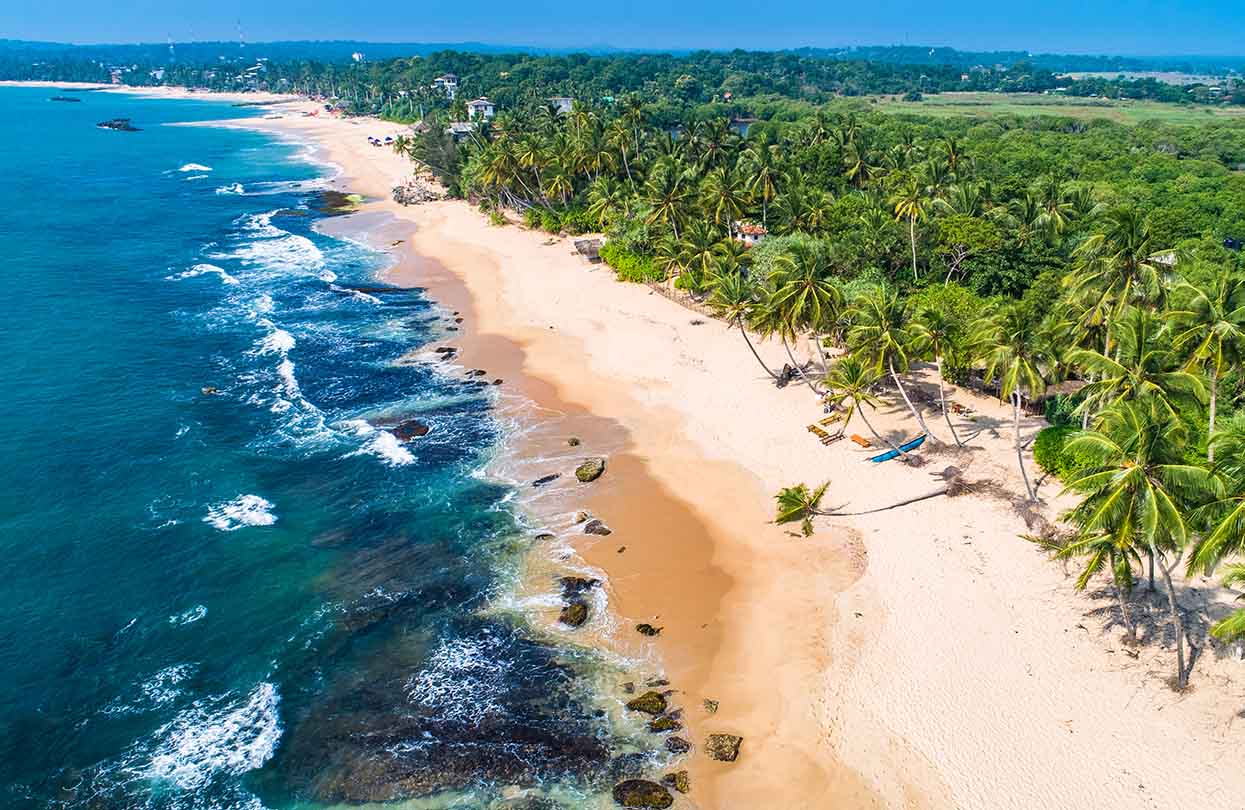
Tangalle beach in Sri Lanka, image by Marius Dobilas, Shutterstock
THE SEVENTH SIGNAL
Watch Montenegro. The Adriatic’s quietest coast is receiving an estimated $1 billion in hospitality investment, anchored by Saudi-backed developments and the Mövenpick Hotel & Residences opening in the UNESCO-protected Bay of Boka by mid-2026. Flydubai already operates seasonal Dubai-Tivat service. The luxury infrastructure is thin today — but it is building fast, and first-mover travellers who book Montenegro for summer 2027 will be ahead of a curve that Croatia rode five years ago. The pattern is identical: Schengen-adjacent access, Adriatic beauty, emerging property quality, and pricing that rewards the early. The Adriatic, this decade, moves south. ◼