Slow Travel in Egypt: A More Meaningful Way to Explore the Nile
Egypt is one of those destinations that can easily become a race from one famous landmark to another. The pyramids, temples, tombs, museums, and Nile cruises are all worth experiencing, but trying to see everything in a few days can leave travelers feeling that they have visited Egypt without truly experiencing it.
This is where slow travel offers a different approach.
Instead of rushing between destinations, slow travel in Egypt means spending more time in fewer places, allowing space for local encounters, relaxed mornings, longer meals, and deeper exploration. Along the Nile in particular, traveling slowly can transform a traditional sightseeing trip into a much more memorable journey.
What Does Slow Travel Mean in Egypt?
Slow travel does not mean doing nothing or skipping Egypt’s major attractions. It means changing the pace.
Rather than trying to visit Cairo, Luxor, Aswan, Abu Simbel, and the Red Sea within a very short itinerary, travelers can give each destination enough time to appreciate its character.
In Cairo, this might mean spending several days exploring the Giza Plateau, the Grand Egyptian Museum, Saqqara, and historic neighborhoods instead of treating the capital as a quick stop.
In Luxor, it could mean allowing extra time for both the famous monuments and lesser-visited archaeological sites.
Along the Nile, slow travel can be especially rewarding because the river itself becomes part of the experience.
Why the Nile Is Perfect for Slow Travel
The Nile has shaped Egyptian civilization for thousands of years, and traveling along it provides a natural connection between ancient landscapes, rural communities, archaeological sites, and modern Egyptian life.
A conventional Nile cruise can already provide a relaxed way to travel between Luxor and Aswan. However, smaller vessels can offer an even more intimate experience.
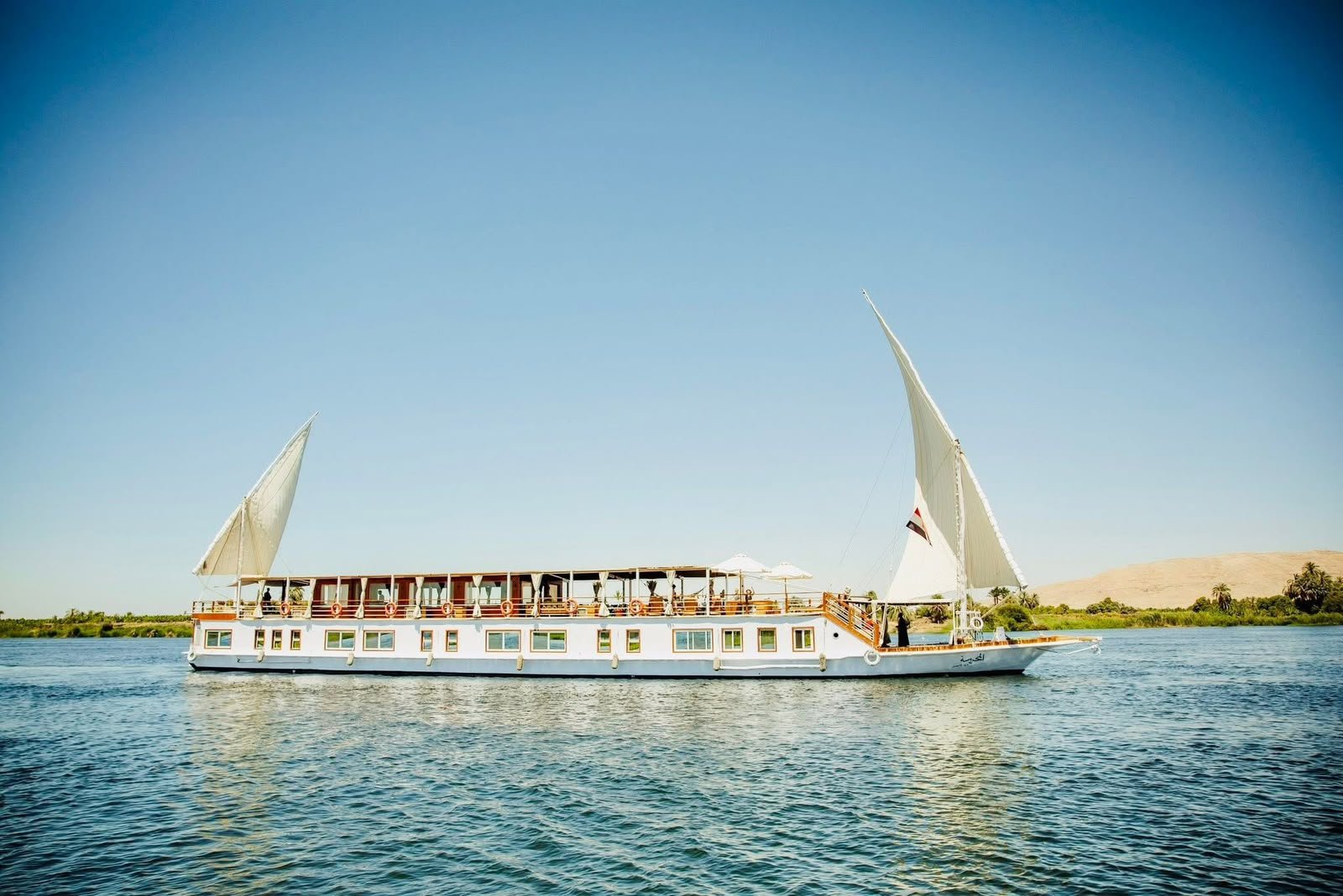
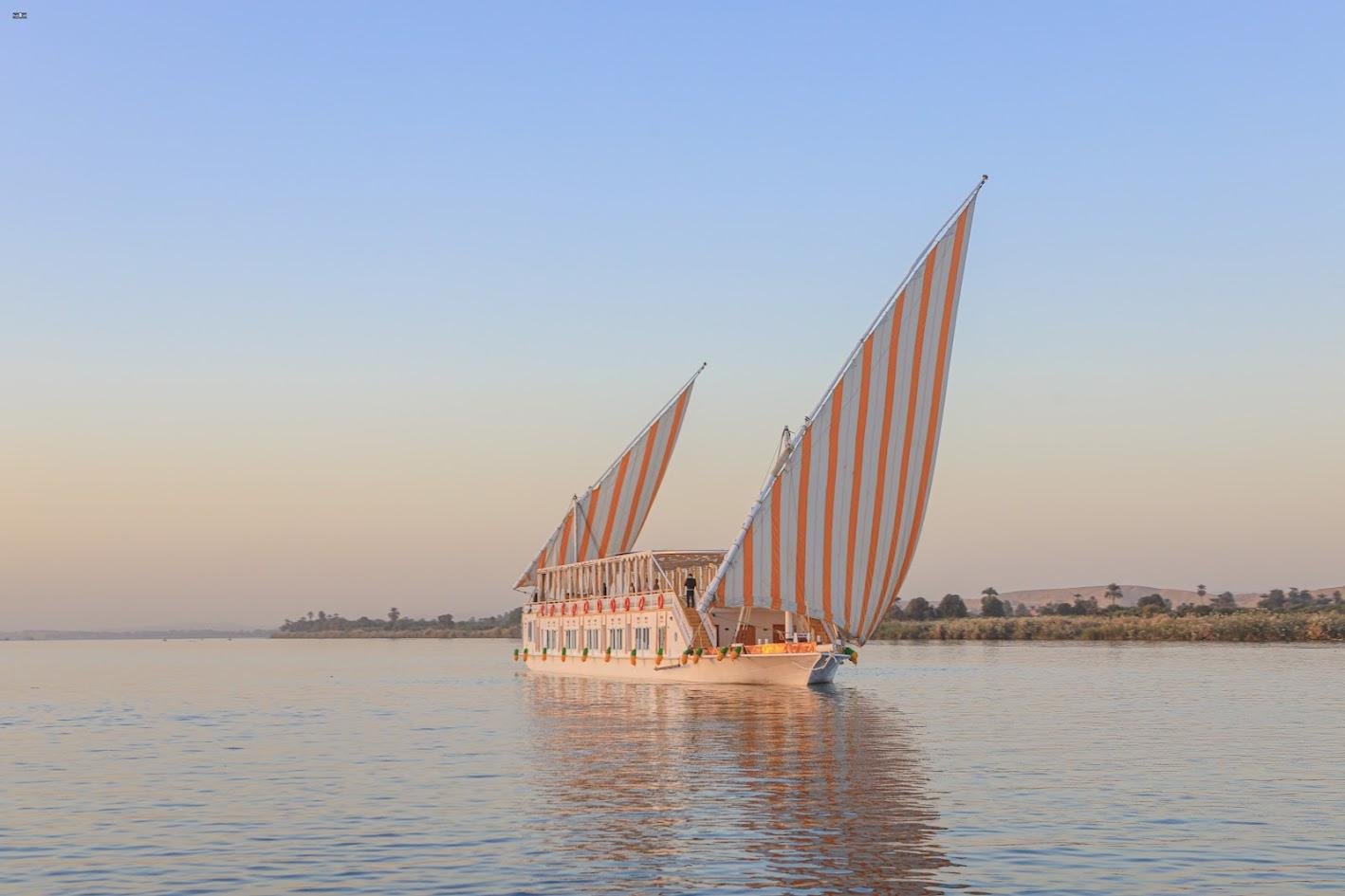
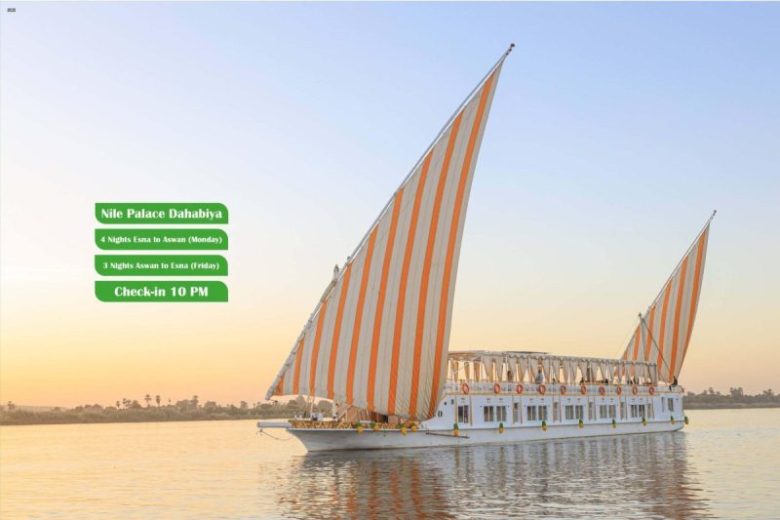
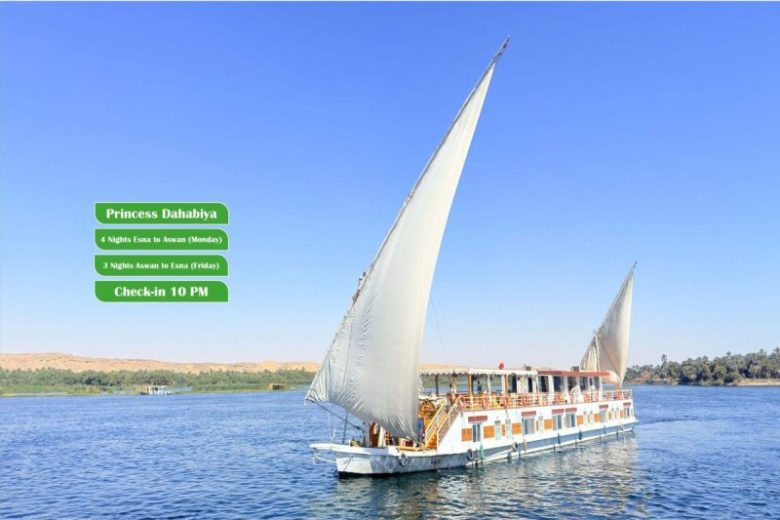
Dahabiyas, traditional-style sailing boats adapted for modern travelers, are particularly well suited to this style of journey. Their smaller size allows them to create a quieter atmosphere and, depending on the itinerary, visit places that larger cruise ships may not reach.
Instead of spending the entire day moving from one major attraction to another, travelers can enjoy time on deck, watch villages and farmland pass by, and experience the changing landscape of the river.
For travelers comparing different ways to experience the Nile, a private Nile cruise can also provide greater flexibility when planning the pace and style of a journey.
Spend More Time in Luxor
Luxor is often described as the world’s greatest open-air museum, and it deserves more than a rushed overnight visit.
The West Bank contains some of Egypt’s most famous archaeological sites, including the Valley of the Kings, the Temple of Hatshepsut, and the Colossi of Memnon. But there is much more to explore.
Travelers interested in a slower experience can consider places such as Deir el-Medina, the ancient village of the craftsmen who built and decorated royal tombs. The Valley of the Nobles provides another perspective on ancient Egyptian society, while the Ramesseum offers an opportunity to explore a monumental temple complex with fewer crowds at certain times of day.
On the East Bank, the temples of Karnak and Luxor are essential visits, but there is also value in leaving time to walk along the Nile, enjoy a traditional meal, or simply watch daily life unfold.
Look Beyond the Most Famous Temples
One of the advantages of traveling slowly is having enough time to explore sites beyond the standard itinerary.
Dendera, north of Luxor, is famous for its remarkably preserved Temple of Hathor. Abydos, farther north, is another important archaeological destination, known for the Temple of Seti I and its connection with ancient Egyptian religious traditions.
These excursions require more planning than simply visiting the major monuments in Luxor, but they can provide a deeper understanding of Egypt’s history.
For many travelers, the most memorable moments are not necessarily the sites they saw on every travel brochure. They are the quieter places where there is more time to observe, ask questions, and appreciate the details.
Choose Quality Over Quantity
Slow travel also changes the way travelers think about accommodation, transportation, and guided experiences.
Instead of trying to fit ten destinations into a one-week itinerary, travelers can focus on choosing a few meaningful experiences and doing them well.
A private Egyptologist can make a major difference when visiting archaeological sites. Rather than listening to a general explanation shared with a large group, travelers can ask questions based on their own interests and spend more time on the aspects of Egyptian history that fascinate them most.
The same principle applies to transportation. Private transfers and carefully planned domestic flights can reduce unnecessary waiting and make an itinerary more comfortable.
The goal is not simply to see more. It is to experience each place with greater attention.
Take Time to Experience Local Life
Egypt’s history is extraordinary, but the country is much more than its ancient monuments.
A slower itinerary creates opportunities to experience contemporary Egypt as well.
A visit to a Nubian village near Aswan can introduce travelers to local traditions and architecture. A felucca ride can provide a peaceful perspective on the river. Local markets, cafés, and restaurants can reveal another side of Egyptian culture that is easy to miss when following a tightly packed sightseeing schedule.
These experiences do not need to be complicated. Sometimes simply having an unplanned afternoon in Luxor or Aswan can become one of the highlights of a trip.
When Is the Best Time for Slow Travel in Egypt?
Egypt can be visited throughout the year, but the cooler months from roughly October through April are particularly comfortable for sightseeing.
Winter is popular because daytime temperatures are generally pleasant for exploring archaeological sites. This also means that popular destinations can become busy, particularly around major attractions.
Traveling early in the morning, choosing less-visited sites, and allowing flexibility within the itinerary can help create a more relaxed experience.
For travelers visiting during busier periods, private touring can also make it easier to adjust the daily schedule and avoid unnecessary time spent waiting in large groups.
A Different Way to See Egypt
The biggest advantage of slow travel is that it changes the feeling of the journey.
Instead of measuring a trip by how many temples, museums, and cities were checked off a list, travelers can remember the quiet moments: watching the Nile from a boat, drinking tea after visiting an ancient site, meeting local people, or seeing the landscape change as the river moves south.
Egypt has enough history and culture to fill several journeys. There is no need to experience everything at once.
For travelers willing to slow down, spend more time in fewer places, and leave room for unexpected experiences, the Nile offers one of the most rewarding ways to discover Egypt.