When people think of Albania, they often picture turquoise beaches, dramatic mountains, and the lively towns of the Albanian Riviera. While the country’s coastline is certainly worth exploring, there is another side of Albania that deserves just as much attention: its culture, history, traditions, and everyday local life.
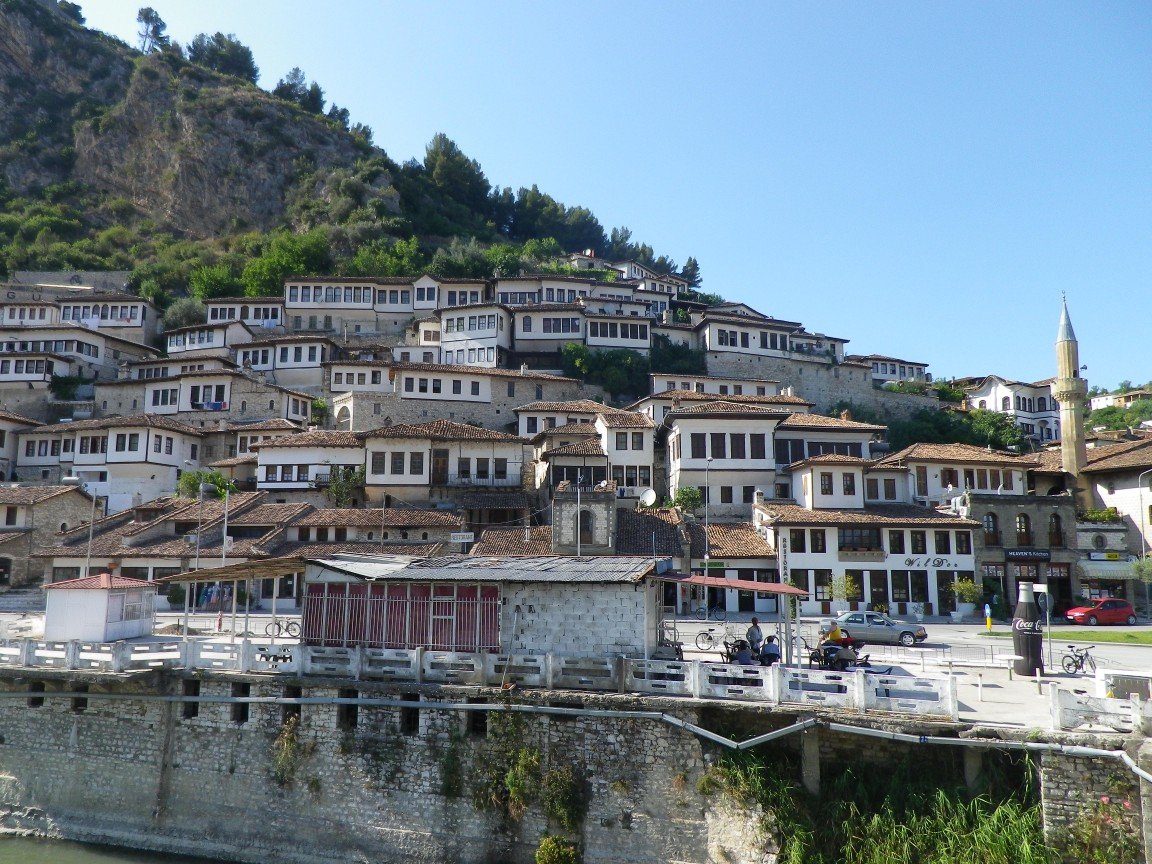
One of the best ways to understand Albania is to visit its historic towns. Berat, known for its white Ottoman-era houses climbing the hillsides, offers a glimpse into centuries of Albanian history. Walking through its old streets and visiting Berat Castle provides an opportunity to see how different periods of the country’s past have shaped the city.
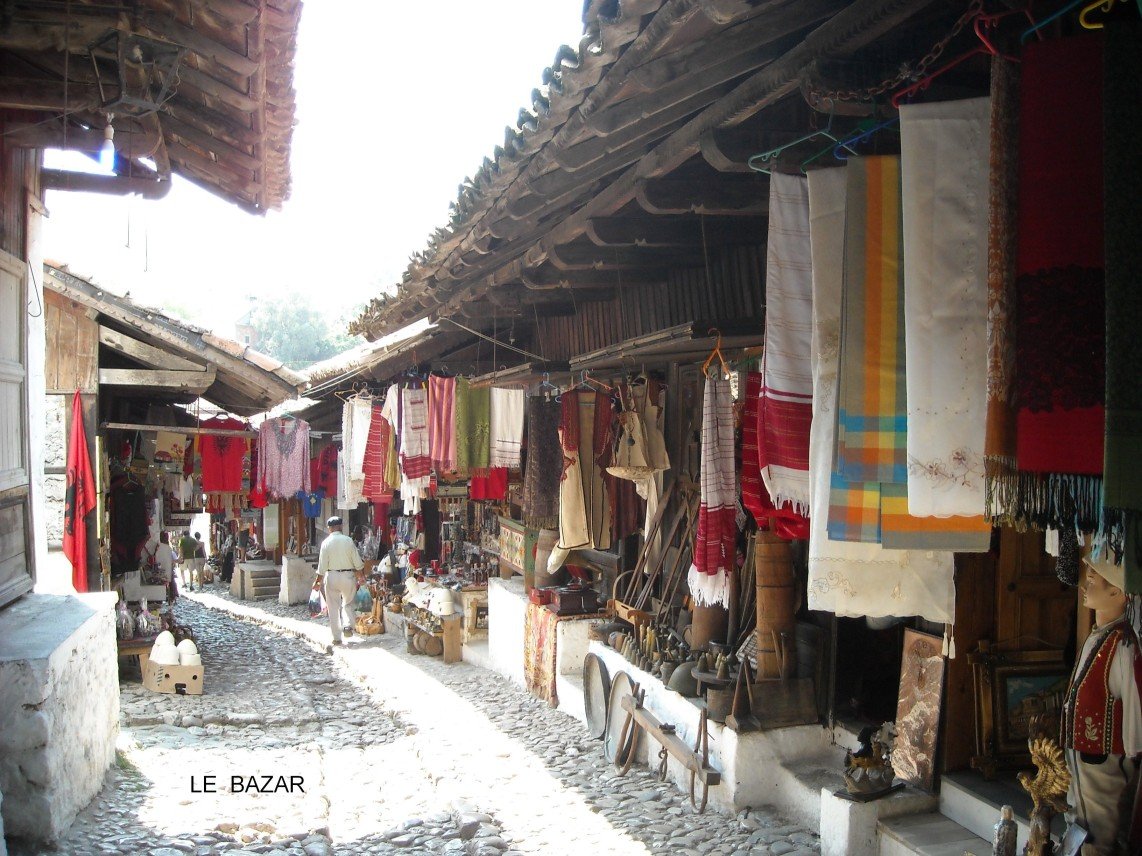
Further south, Gjirokastër has a completely different atmosphere. Its stone houses, narrow streets, and impressive hilltop castle make it one of Albania’s most distinctive destinations. Exploring the old bazaar and talking with local residents can make a visit feel less like sightseeing and more like discovering a living part of Albanian heritage.
Albania’s UNESCO heritage is another reason to travel beyond the beaches. Travelers interested in learning more about the country’s UNESCO-listed destinations can explore this useful overview of Albania’s UNESCO heritage sites, including Berat, Gjirokastër, and Butrint. Butrint itself is particularly fascinating, combining archaeological remains with a beautiful natural setting near the Ionian coast.
Food is another essential part of experiencing Albanian culture. Traditional dishes vary from region to region, but visitors will often encounter byrek, homemade cheeses, grilled meats, fresh vegetables, olive oil, and seasonal specialties. Rather than looking only for restaurants aimed at tourists, travelers can discover a different side of Albanian cuisine by trying family-run establishments and asking locals about regional dishes.
Hospitality is perhaps one of the most memorable parts of traveling through Albania. Visitors may find that conversations with locals quickly lead to recommendations for places to eat, lesser-known sights, or nearby villages worth visiting. Spending time with local people can reveal details about a destination that are difficult to find in a standard guidebook.
Traditional crafts also offer an interesting way to connect with Albanian culture. In different parts of the country, artisans continue to work with textiles, wood, stone, and other materials using techniques passed down through generations. Visiting local workshops or markets can provide a better understanding of the effort involved in preserving these traditions.
For travelers who want to experience Albania more responsibly, supporting locally owned businesses is a simple but meaningful choice. Staying in family-run accommodation, eating at local restaurants, hiring local guides, and purchasing handmade products can help keep money within local communities while giving visitors more personal experiences.
It is also worth leaving some room for spontaneity. Some of the most memorable moments can happen away from Albania’s main attractions: stopping at a small village, sharing coffee with a local family, discovering a regional dish, or hearing a story about a town’s history.
Whether you are exploring Berat and Gjirokastër, discovering Butrint, tasting regional cuisine, or simply spending time with local people, looking beyond the obvious attractions allows you to see a different side of the country—one shaped not only by its landscapes, but by the people and traditions that have preserved its identity for generations.
The Blue Eye (Syri i Kaltër in Albanian) is a stunning natural water spring and national monument located in southern Albania. While it is often associated with the nearby UNESCO-protected historic town of Gjirokastër, it actually sits roughly halfway between Gjirokastër and the coastal city of Sarandë.

Albania is a destination that rewards travelers who slow down. Its beaches may be what initially attracts visitors, but its historic towns, food, traditions, hospitality, and communities are what can turn a trip into a much more meaningful experience.
See: Gjirokaster and Blue Eye, Small-Group Tour from Saranda & Ksamil