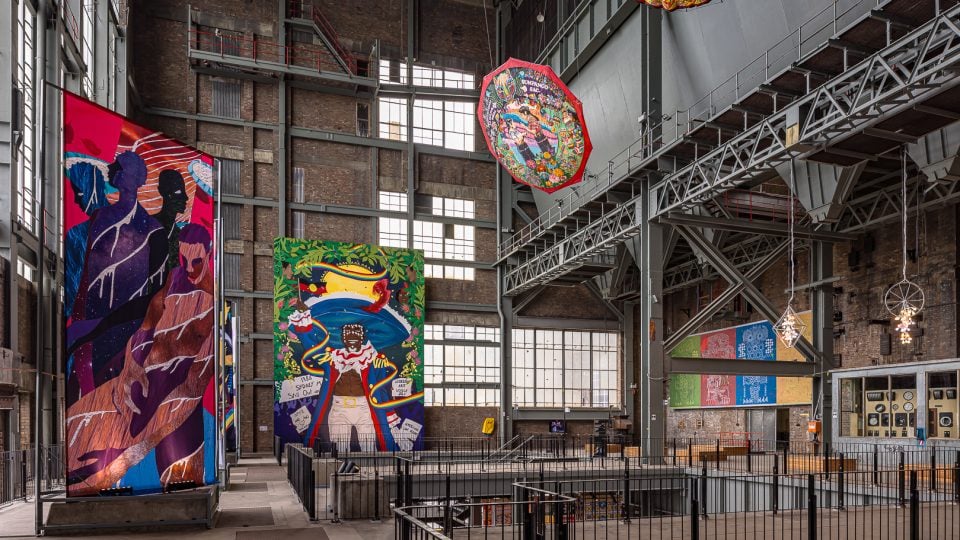
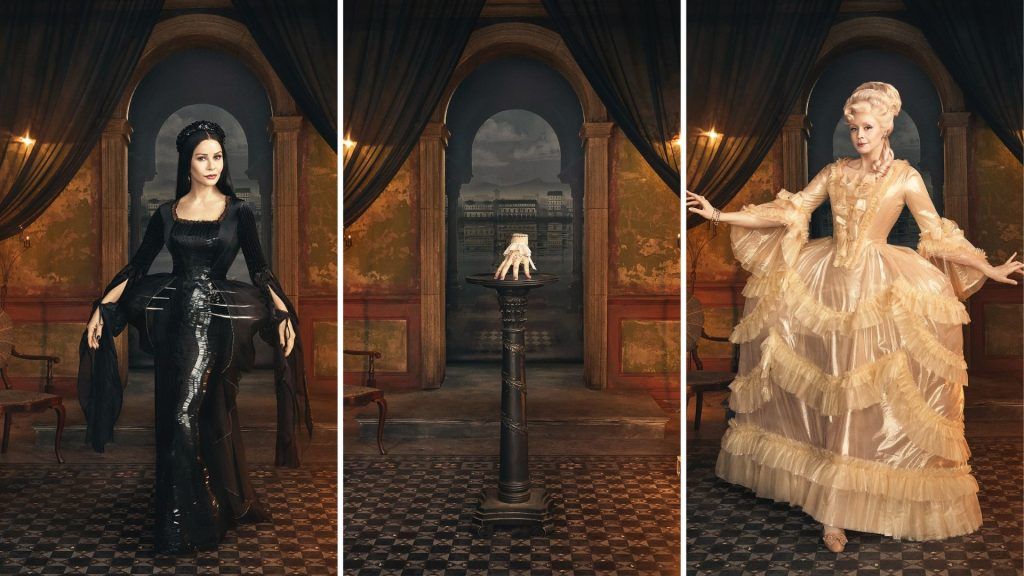
If you have watched the latest season of Wednesday, the hit Netflix series by Tim Burton based on The Addams Family, part two introduces a lavish Venetian-style costume gala, a scene that mirrors one of Venice’s most iconic real-world traditions: the masquerade ball.
Masquerade balls have long been synonymous with Venetian culture. Guests arrive in gondolas gliding through the moonlit canals, stepping out at palaces glowing with candlelight. For those enchanted by the gothic glamour of Wednesday, this world is not limited to the screen. You can experience it in person by securing an invitation to the Venice Carnival here.
The Carnival of Venice 2026
The Venice Carnival will take place from 7 to 17 February 2026, though invitations should be requested well in advance. The grandest celebrations unfold within the city’s historic palaces. The Ball of Dreams opens the festivities on 7 February, while The Grand Ball takes place on 14 February. In 2026, the event will be organised by the Russolo family, renowned for their elaborate productions and impeccable attention to detail.
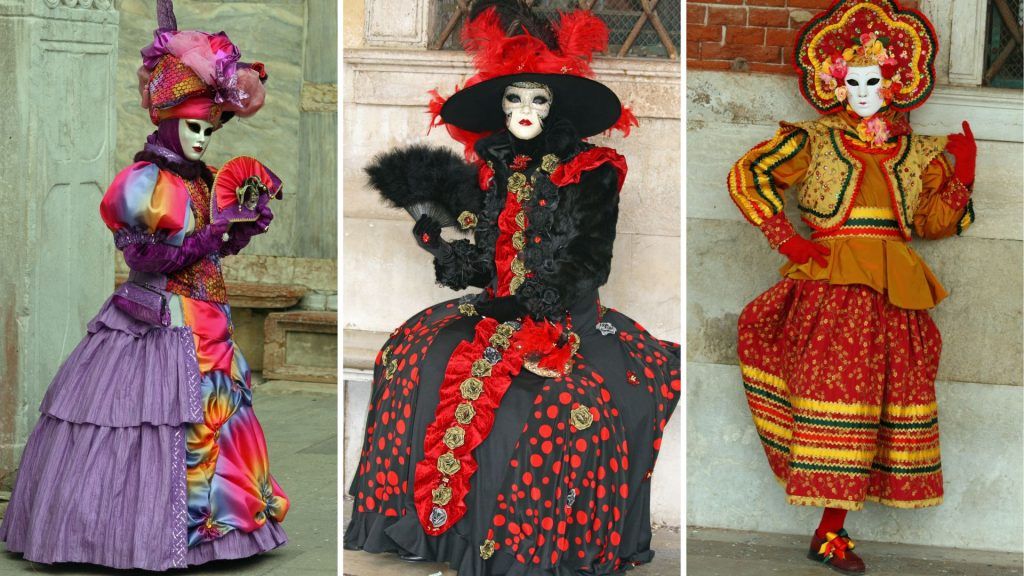
The official website paints a vivid picture: “Imagine walking through the streets during the Carnival of Venice, beautifully dressed in your historical costume. Your gondola is waiting for you. The gondolier silently manoeuvres the boat through the water. You admire the beautiful old palaces along the Grand Canal. The boat slides into one of the side canals, and an elegant masked man courteously helps you step out. Further ahead you see a palace in a faint red glow. That must be it! A magician invites you through the large door. An evening of music, romance and enchantment is waiting for you.”
What To Expect: Galas, Masks And Magic
The formal balls begin at 8 PM, featuring four or five-course dinners served around 9 PM, accompanied by performances. Guests are usually seated in groups of six to ten. After dinner, modern after-parties take over, complete with DJs, cocktails and dancing, while late-afternoon chocolate and cocktail events add a lighter touch to the festivities.
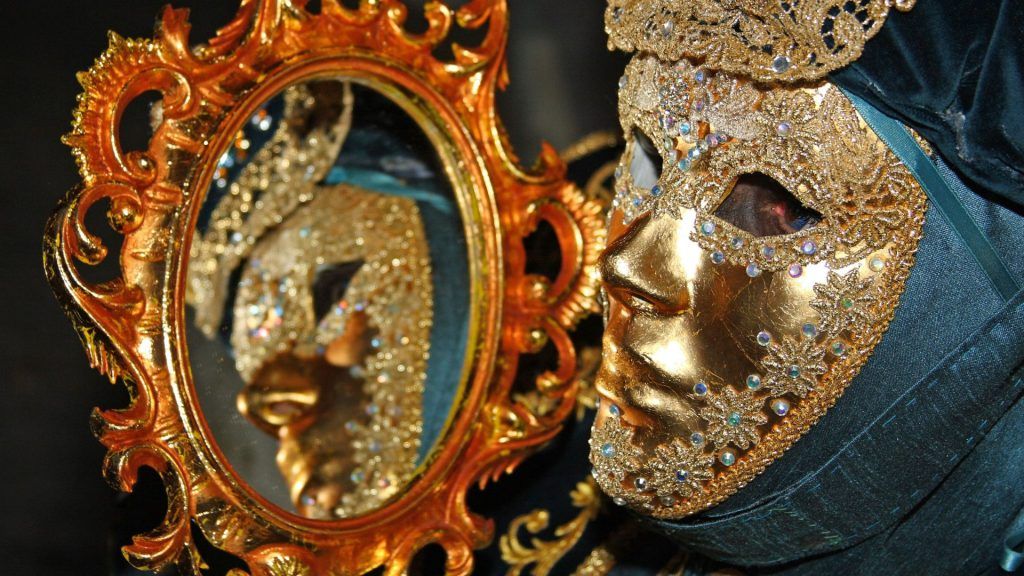
The dress code is a highlight. Guests are expected to wear historical evening costumes and masks under the theme of “romance, magic and love”. Giulia Russolo, the event’s creative director—and arguably a real-life Morticia Addams—designs many of the handcrafted costumes. Those wishing for a bespoke look are encouraged to request their invitations early, allowing time for fittings. Guests may also bring their own attire.
For those unable to commit to full period dress, there are “side salon” options, where evening wear paired with a mask is acceptable. Some events also allow access solely to the after-parties, offering a contemporary twist on Venice’s centuries-old tradition.
Read: Carnival Dress Experience in Venice
Beyond The Ball: The Many Faces Of The Carnival
The Venice Carnival is not only about masquerade balls. Visitors can also enjoy the Festa Veneziana, Glass Art Shows, the Water Show on the Arsenale, and a visit to Caffé Florian, Europe’s oldest café.
The Festa Veneziana marks the official opening, featuring luminous parades along the canals and daytime festivities on the waters of Canaregio. The Glass Art Shows celebrate the world-famous Murano glassmakers, whose craft continues to shape contemporary art and design.
Meanwhile, Caffé Florian serves as a meeting place for the best-dressed Venetians, while the Water Show on the Arsenalenarrates the history and mythology that form the heart of the carnival. Each event brings together spectacle, music, and a sense of timeless wonder.
Origins Of The Venetian Carnival
The Carnival of Venice has existed for nearly a thousand years and traditionally coincides with the ten days leading up to Lent, the 40-day fasting period before Easter. During the Middle Ages and Renaissance, Venice was a thriving centre of trade and art.
In 1094, Doge Vitale Falier granted citizens the right to celebrate before Lent, encouraging revelry in the form of eating, drinking, wearing masks, and even hurling eggs and oranges at neighbours. By 1268, egg-throwing was banned, and in 1339, masked misdemeanours were outlawed. In 1458, men were prohibited from disguising themselves as women to infiltrate female monasteries—an early attempt at curbing carnival excesses.
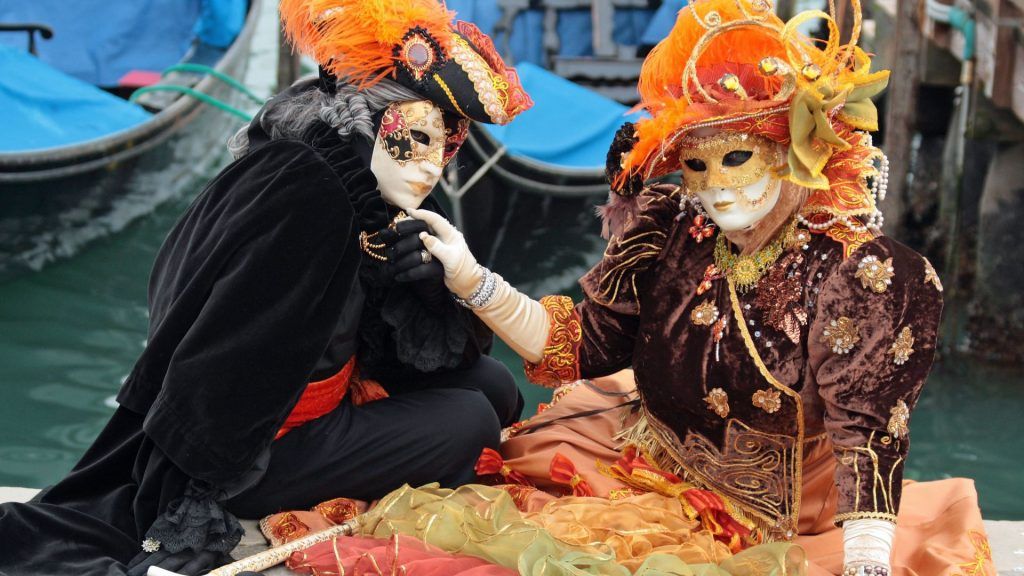
As the Renaissance flourished, the carnival grew more elaborate. By the 17th century, masks had become its defining feature, offering anonymity that encouraged social and moral freedom. Historian James H. Johnson notes in Venice Incognito: “Cover the face, alter the voice, and anything could happen. Naturally, the most thrilling possibilities were sexual.”
The festival’s indulgence extended to bull hunts and lavish spectacles. Yet as Venice’s political power declined against the Ottoman Empire and Spain, the carnival evolved into a display of cultural prestige. Following the fall of the Venetian Republic in 1797, French and Austrian authorities banned public festivities, restricting celebrations to private gatherings. The carnival lingered quietly for over a century, resurfacing sporadically in the 1800s.
Read: Carnival Classical Music Concert in Venice
The Carnival’s Revival And Modern Renaissance
The Venetian Carnival was finally revived in the 1970s through the efforts of art collector Carlos de Beistegui, with support from Christian Dior, Salvador Dalí, and Emilio Terry. A series of artistic events soon restored its grandeur—from the Regata Storica of 1974 to Fellini’s Casanova (1976) and Aldo Rossi’s Teatro del Mondo for the 1979 Venice Biennale.
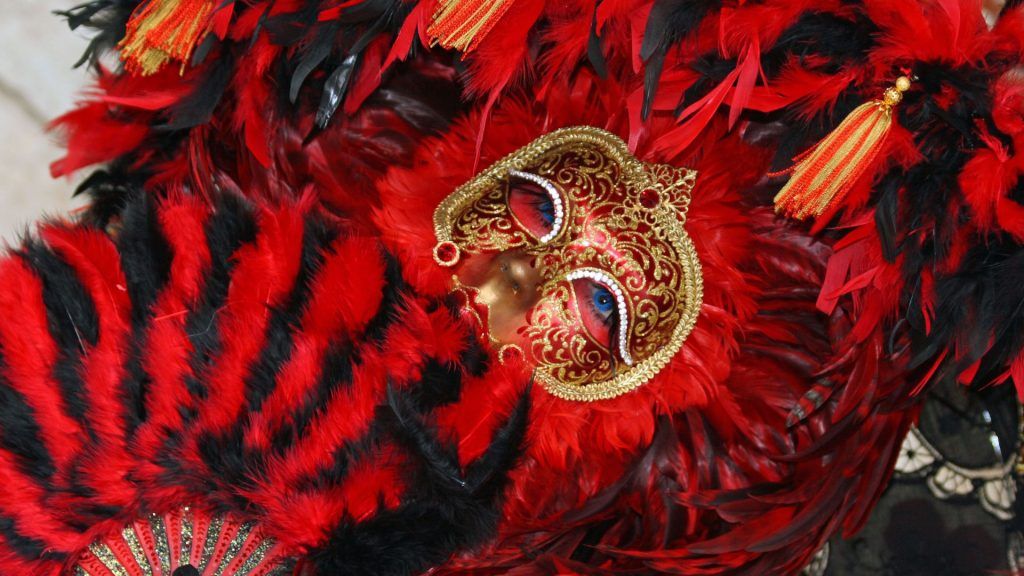
Since 2007, a prize has been awarded annually for the most beautiful mask, judged by international fashion and costume designers. The carnival’s influence has extended far beyond Venice, inspiring literature, art and cinema. It served as the setting for Edgar Allan Poe’s The Cask of Amontillado, Stanley Kubrick’s Eyes Wide Shut, and the 1988 Italian-French film The Witches’ Sabbath. Composer Niccolò Paganini even immortalised it in his celebrated piece The Carnival of Venice.
Where to stay
A few steps from Piazza San Marco (St. Mark’s Square) and the Biennale gardens, the Hotel Gabrielli is one of the most prestigious addresses in the City of the Doges. Recently renovated, this 14th-century palace, rated five stars, brilliantly combines historical heritage and contemporary elegance in a setting where every detail tells the story of Venice. A refuge for intellectuals and brilliant minds, the Gabrielli welcomed Sigmund Freud and Franz Kafka, who wrote numerous love letters to his fiancée Felice Bauer there. This literary heritage gives the place a unique, almost romantic aura.

From Tradition To Pop Culture
Today, the Carnival of Venice attracts visitors from around the globe, many of whom spend months designing elaborate costumes. It has evolved into a celebration of art, fashion and freedom—a living testament to Venice’s enduring allure.
As Wednesday reimagines this storied tradition through its gothic lens, the line between fiction and reality blurs. The Venetian gala seen on screen draws directly from the city’s masked heritage, where beauty, mystery, and decadence intertwine. For those who dream of stepping into that same world of candlelight, costumes, and canals, the invitation awaits—and the magic of Venice is all too real.
More information about the Carnival events here
Written By Nandini Upadhyay