Srinagar: Houseboats, Dal Lake, and the Old City
Srinagar doesn’t feel like a place you visit alone. Between the mist rising off Dal Lake, the calls of shikara boatmen offering rides, and the smell of kahwa drifting from roadside stalls, it’s a city that pulls you into conversation whether you’re ready or not. That’s exactly what makes it one of the best places in India to travel solo — you’re never really alone here, even when you want to be.
If you’re planning a solo trip to Srinagar, here’s what you actually need to know: where to stay, how to get around, what the Old City is really like on foot, and a few things I wish someone had told me before I went.
Staying on a Houseboat, Alone
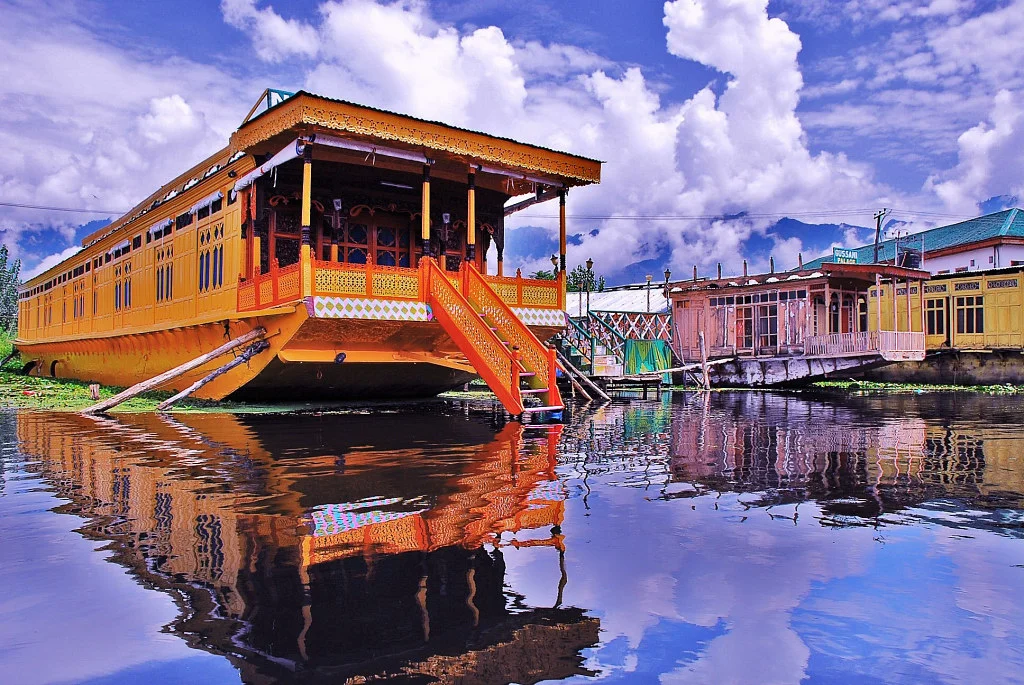
A houseboat stay is the one experience people travel to Srinagar for, and doing it solo is completely normal — most owners are used to single travelers and will treat you like a guest in their home rather than just another booking.
A few practical things to know:
- Book direct if you can. Many houseboats are family-run, and booking directly (rather than through a middleman) often gets you a better rate and a more personal welcome.
- Meals are usually included. Expect home-cooked Kashmiri food — rice, dal, and whatever vegetables or meat are in season — served in the houseboat’s small dining room. It’s a good chance to actually talk to the family running the place.
- It’s quieter than you’d expect. Once the shikaras stop for the evening, Dal Lake goes still. Bring a book, or just sit on the deck and watch the light change over the mountains.
- Prices vary hugely by category. Deluxe houseboats can be several times the cost of a simple one. As a solo traveler, a mid-range houseboat is usually the sweet spot — comfortable, but not so lavish that you feel like you’re paying for space you don’t need.
Getting Around Dal Lake
You don’t need to book a big tour to experience Dal Lake — a solo shikara ride is one of the easiest ways to see it at your own pace.
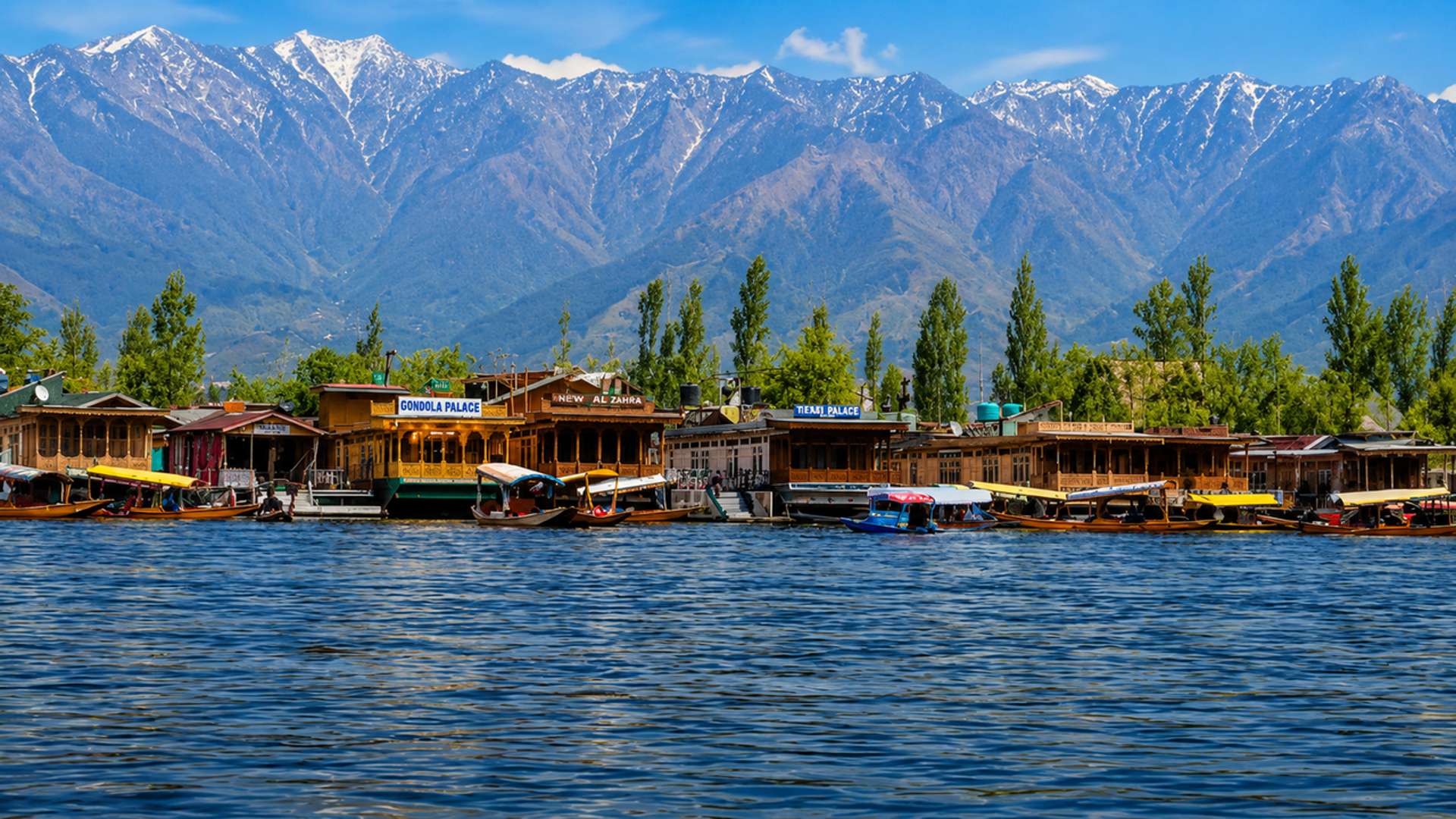
Shikaras are the small wooden boats that work as both taxis and floating shops on the lake. Agree on a price and a route before you get in — a short ride around your immediate area costs very little, while a longer route past the floating gardens, the flower market, and Nehru Park will cost more. Early morning is the best time to go: the water is calm, the light is soft, and you’ll pass the floating vegetable market in action, where vendors trade produce boat-to-boat before the day gets busy.
If you want a slightly more active morning, some houseboat owners can arrange a visit to the floating gardens, small patches of cultivated land literally floating on the lake, where you can see vegetables and lotus flowers growing right out of the water.
Walking the Old City
If Dal Lake is Srinagar’s calm side, the Old City is its pulse. This is the part of Srinagar that rewards solo travelers most, because it’s a place best explored slowly, with no one to rush you along.
Start at Jama Masjid, a huge wooden mosque built around a courtyard of ancient chinar trees — it’s one of the most striking buildings in the city, and visitors are welcome outside prayer times. From there, wander the narrow lanes toward the old bazaars, where you’ll find copper workers, papier-mâché artisans, and spice sellers who’ve been running the same shops for generations.
A few Old City tips for solo travelers:
- Dress modestly. Covering your shoulders and knees is respectful in this part of the city and will help you move through it comfortably.
- Go on foot, not by car. The lanes are narrow and much of what makes the Old City interesting — the workshops, the small shrines, the tea stalls — is easy to miss from a vehicle.
- Say yes to a chai invitation. It’s common for shopkeepers to invite you in for tea with no pressure to buy anything. It’s one of the easiest ways to have a real conversation and get local recommendations.
- Carry small notes. Many stalls and small eateries in the Old City don’t have change for large bills.
Practical Notes for Solo Travelers
- Getting there: Srinagar has an airport with regular domestic flights, or you can take the longer, scenic road route from Jammu.
- Getting around the city: Auto-rickshaws and pre-paid taxis are the easiest options. Agree on a fare before you get in if the meter isn’t used.
- Connectivity: Mobile network availability can vary, so it’s worth telling your houseboat host your plans for the day, especially if you’re heading out for a longer walk or trek nearby.
- Best time to visit: Spring (March–May) for blossoms, and autumn (September–October) for golden chinar leaves, are considered the most beautiful — and most comfortable — times to visit.
- Solo-friendly by nature: Kashmiri hospitality means it’s genuinely easy to strike up conversations, get help, or find company for a meal if you want it — solo doesn’t have to mean isolated here.
If you’re planning this trip alone as a woman, it’s also worth reading up beforehand Is Kashmir safe for women travellers is a good place to start for practical, first-hand insight.
Final Thoughts
Srinagar is one of those rare places where traveling solo doesn’t feel like a compromise — it feels like the best way to see it. A houseboat morning on Dal Lake, an afternoon lost in the Old City’s lanes, a stranger’s invitation for tea: these are the moments that are easiest to have when you’re on your own, moving at your own pace, saying yes to whatever the day offers.
Srinagar, the jewel in the crown of Jammu and Kashmir, is a city that whispers tales of timeless beauty and resilience. If Srinagar isn’t already on your solo travel list, it should be.