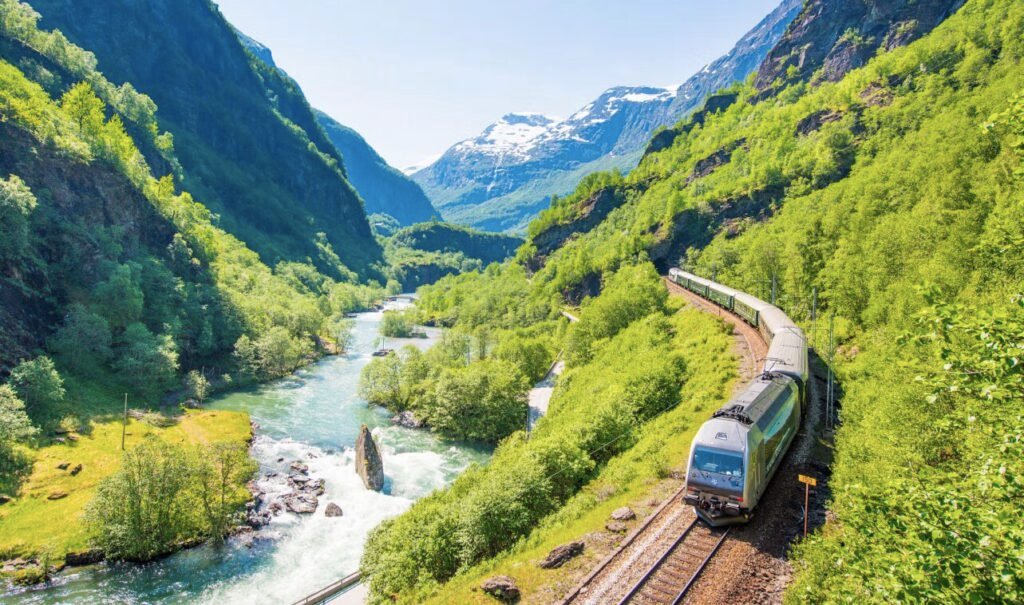
The Vikings are among the most fascinating figures in European history. Known as fierce warriors, skilled sailors and ambitious explorers, these Norsemen left a lasting mark on Scandinavia and far beyond. From legendary raiders to influential kings, many famous Vikings helped shape the medieval world.
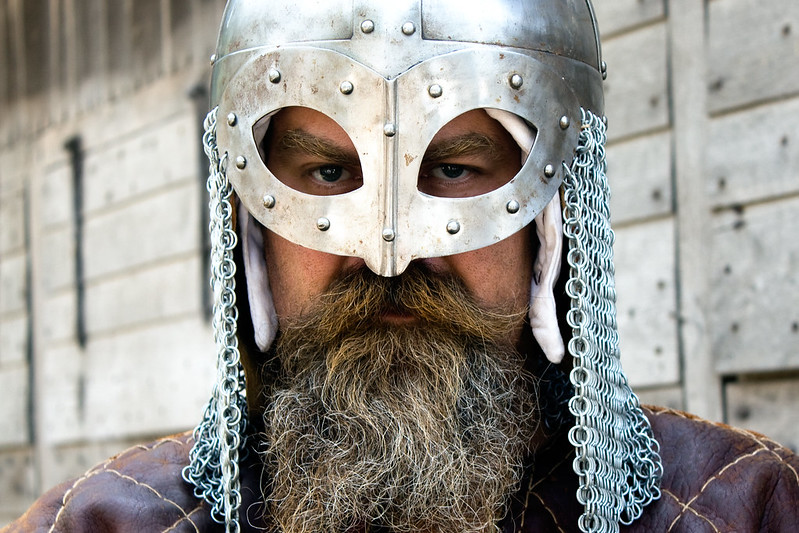
In this article, we introduce some of the best-known Vikings you should definitely know about.
Who were the Vikings?
The Vikings were a group of sea-faring explorers and warriors who originally came from the region that we now call Scandinavia.
Also known as the Norsemen, they were mostly land-owners and clan chiefs who set sail from the Nordic countries to raid and colonise new lands from the 9th to the 11th century. Their name is thought to derive from the early Norse word víkingr which means “pirate”.
Many Viking stories are based on sagas written centuries later, which means history and legend often overlap.
Famous Danish Vikings
Much of what we know about the Vikings comes from Danish history, and so it is their version of Viking culture that predominates in the modern narrative about these brave but blood-thirsty explorers.
And some of the most famous Vikings from Denmark include well-known names such as Ragnar Lothbrok and Cnut the Great.
Famous Norwegian Vikings
The Norwegians were known for their boat-building and maritime skills even before the Viking era and already had a reputation as naval explorers.
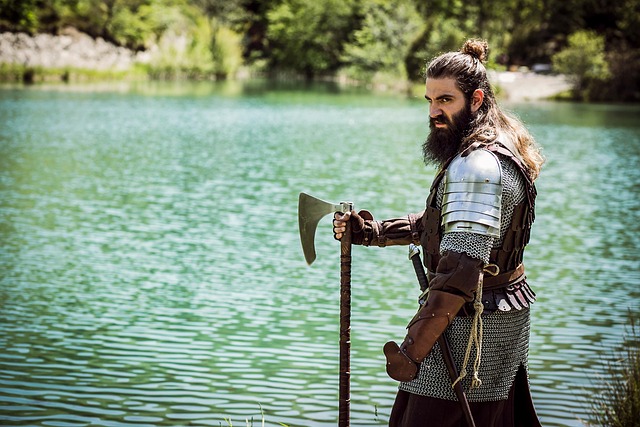
One of the best-known Viking explorers was Erik the Red, who was the first Norseman to colonise Greenland, and gave the island its name.
Famous Swedish Vikings
Swedish Vikings have a reputation for being less blood-thirsty than their Danish counterparts.
It’s thought that they were most interested in naval exploration for reasons of trade rather than to take over and colonise new lands.
Like all the pagan Vikings, the Swedes believed in Norse mythology.
However, when they realised that they were missing out on trade deals from Christian countries, they took to wearing a cross during their sea trips then went back to a wearing pennant of Thor’s hammer on their return home.
Famous Swedish Vikings include Garðar Svavarsson, who was the second Viking to reach Iceland and named the country Garðarshólmi after himself.
Famous Icelandic Vikings
Probably the most famous Icelandic Viking was Leif Eriksson, who was born on Iceland after his father Erik the Red was exiled from Norway.
Leif went on further explorations with his father to Greenland and North America.
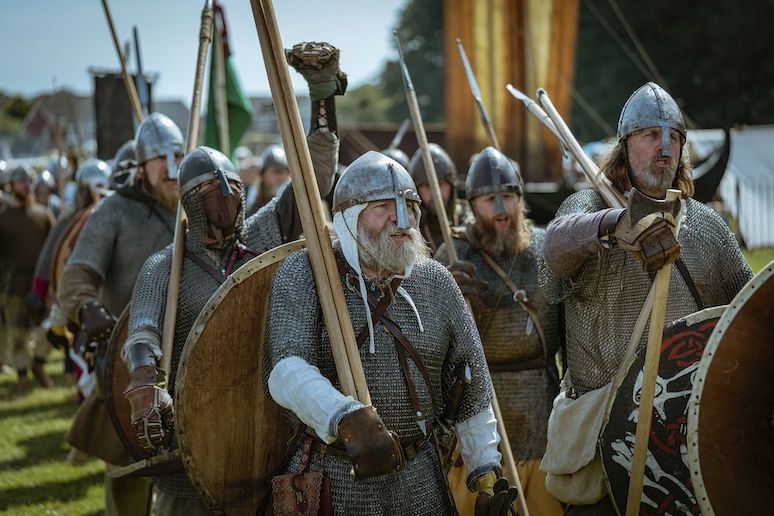
Other famous Icelandic Vikings include Hrafna Floki, who was the first Viking to sail to Iceland on purpose and to settle there. It was he who renamed Iceland with its current name.
The most famous Vikings in history
There are plenty of famous Vikings in history, whose stories of bravery and cruelty have been handed down from generation to generation and passed into myth and legend.
There are few reliable written sources about the Vikings, so the tales and history of these fearsome Norse warriors are very much open to interpretation. So read on to find out about the most famous Vikings in history.
Ragnar Lothbrok
Many myths, rumours and dramatic tales surround the story of Ragnar Lothbrok, also known as Ragnar Lodbrok or Ragnarr Loðbrók in Old Norse.
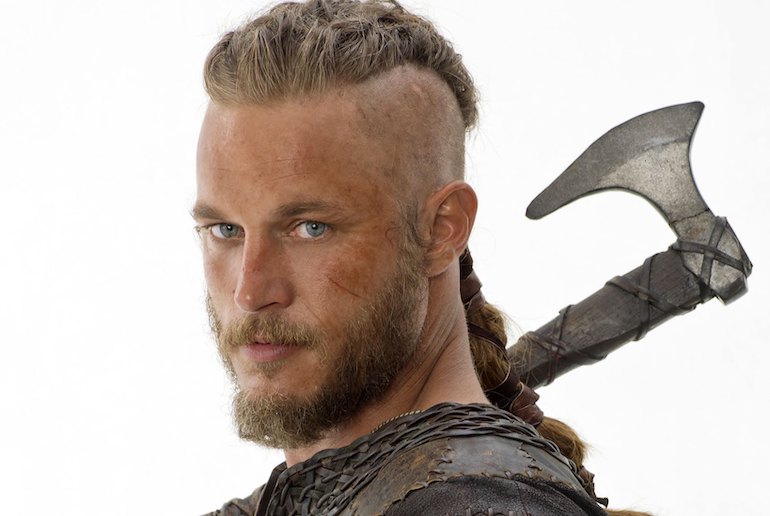
Mentioned in the Icelandic sagas, he was also one of the key figures in the Vikings TV series, so it’s hard to distinguish what is fact and what is fiction about his life.
The Icelandic sagas state that Ragnar was the son of the Swedish king Sigurd Ring, himself the son of the Danish king Randver.
It is generally agreed that Ragnar led sea-faring Viking raids around Europe in the ninth century, including some of the first incursions to England.
According to Danish historian Saxo Grammaticus, Ragnar was killed during one of his raids to Britain by the Anglo-Saxon king Aella of Northumbria, who threw him into a snake pit to die.
The sons of Ragnar
Ragnar Lothbrok is thought have had three wives – Lagertha, a Norse shield maiden and one of the most famous female Vikings, Thora and Aslaug – who bore him several sons (the exact number of his sons is unknown), including Bjorn Ironside, Ivar the Boneless and Sigurd Snake-in-the-Eye.
Legend has it that Ragnar’s sons sailed to Britain in an attempt to avenge their father’s death.
They landed in East Anglia and killed Edmund the Martyr, the King of East Anglia, before travelling north to York and killing their father’s murderer King Aella.
It was this that led to a Viking occupation of the north and east of England that lasted for nearly two hundred years.
Olaf Tryggvason
Olaf Tryggvason was a tenth-century Viking king of Norway, who led Viking raids on Britain.
A committed Christian, he was confirmed at Andover in England, then returned to Norway to impose Christianity on large areas of his homeland. He also introduced Christianity to Iceland and Greenland.
Erik the Red
Erik Thorvaldsson, also known as Erik the Red, possibly because of his hair colour or possibly because of his fearsome temper, was a Norwegian Viking explorer.
He left Norway with his father, who was exiled for murder, and they settled in Iceland.
Erik was then exiled from Iceland for murder himself and sailed to Greenland, where he established the first Viking colony in an area that he named Eriksfjord.
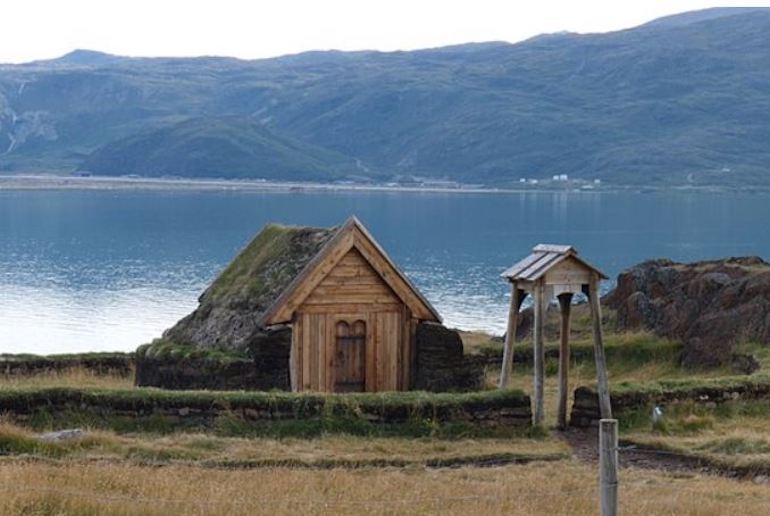
Erik then sailed back to Iceland to encourage other settlers to return to the new colony with him.
It is Erik who gave Greenland its name – it’s thought that he chose it in order to make the new land sound more appealing to his fellow settlers.
For more on the story of how Greenland got its name, click here.
Leif Eriksson
Son of Erik the Red, Leif Erickson (also known as Leif the Lucky) was also a Viking explorer.
His main claim to fame was that he was the first European to set foot on North America, some 400 years before Columbus. In around 1000 AD Leif landed in a place he called Vinland, now in Canadian Newfoundland.
Harald Bluetooth
The tenth-century Viking king Harald Bluetooth, also known as King Harald I of Denmark, is famous for several reasons.
He was the first king to rule over a united Denmark, he conquered Norway and bought it under Danish control, and he converted the Danes to Christianity.
However, he is probably best known today as the inspiration behind bluetooth technology.
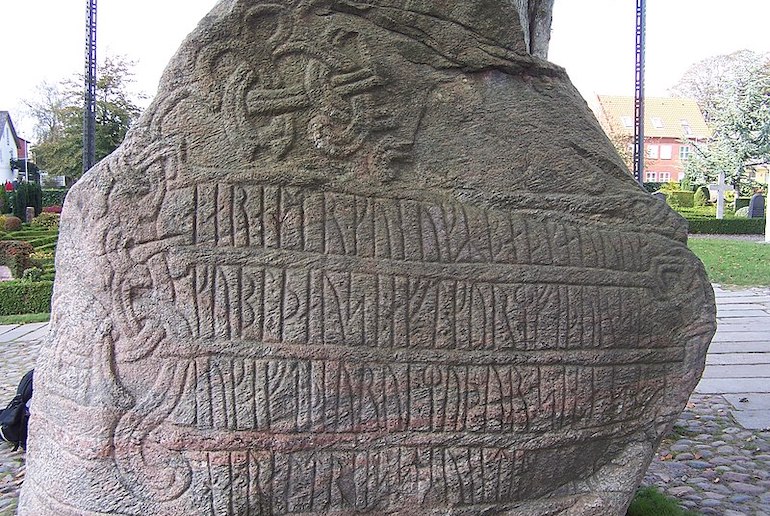
Although he is thought to have been given the nickname Bluetooth because his teeth were stained by blueberries, the inventors of bluetooth technology adopted his name, because he was seen a someone as who unites people, like the wireless technology.
Sweyn Forkbeard
The son of Harald Bluetooth, Sweyn Forkbeard was so-known because of his long forked beard.
He was the king of Denmark from 986 to 1014, also king of Norway for some of that time, and the first Viking king of England, for all of five weeks – although he died before he could be crowned.
Cnut the Great
The son of Sweyn Forkbeard, Cnut the Great (also known as Knut, Knud and Canute) is probably best known as the monarch who tried to hold back the tide.
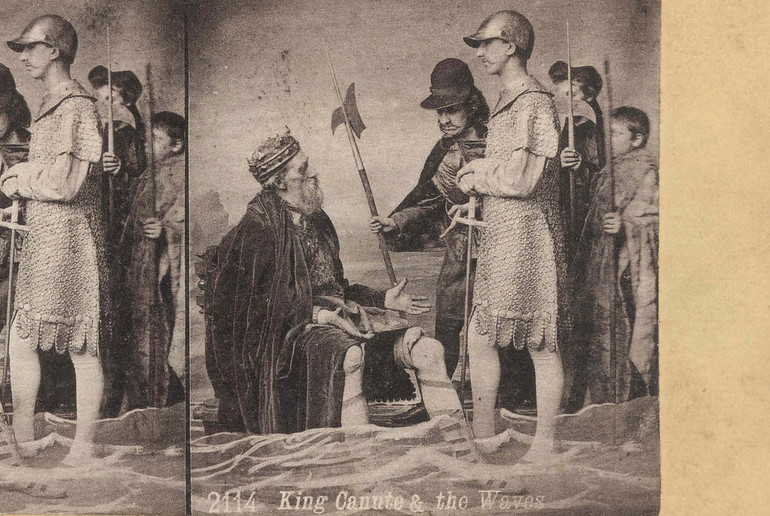
After his father’s brief reign, he became king of England in 1016, king of Denmark from 1018 and king of Norway from 1028.
He ruled all three countries, which together were known as the North Sea Kingdom, until his death in 1035.
Harald Hardrada
Known as the last Viking king, Harald Hardrada (whose name means “hard ruler” or “tyrannical”) ruled Norway from 1047 to 1066.
He led an attack on England in 1066 and was killed at the Battle of Stamford Bridge in Yorkshire, marking the end of almost 200 years of Viking rulers.
Rollo of Normandy
A Viking chieftain, Rollo of Normandy (known as Hrólfr in Old Norse)and his Danish army attacked France in the early tenth century.
He then went on to become the founder and first ruler of the kingdom of Normandy.
In the TV series Vikings, he was known as Rollo Lothbrok and was portrayed as the brother of Ragnar Lothbrok, though there is no historical evidence to suggest that they were siblings.
Bjarni Herjolfsson
The Icelandic explorer Bjarni Herjolfsson was thought to be the first European to set eyes on North America, some 14 years before Leif Eriksson landed there.
Herjolfsson was sailing from Iceland to Greenland when he was blown off course and sighted land.
Because it was heavily wooded, he knew that it wasn’t Greenland, so he sailed east again and finally arrived in Greenland.
On his return he talked about the land that he had seen which inspired Eriksson’s later voyage there.
Olav Haraldsson
King of Norway from 1015 to 1028, Olav Haraldsson led many Viking raids into England and France before returning to Norway and encouraging his people to adopt Christianity.
Killed at the Battle of Stiklestad, he was later canonised to became Saint Olaf.
Which Viking do you find most fascinating?
The Viking Age produced many remarkable figures, from feared warriors to clever rulers and bold explorers. Some became legends in their own time, while others grew famous through stories passed down over centuries.
Have you visited any Viking-related sites, or do you have a favourite Viking we should add to this list? Let us know in the comments. We’d love to hear your thoughts.