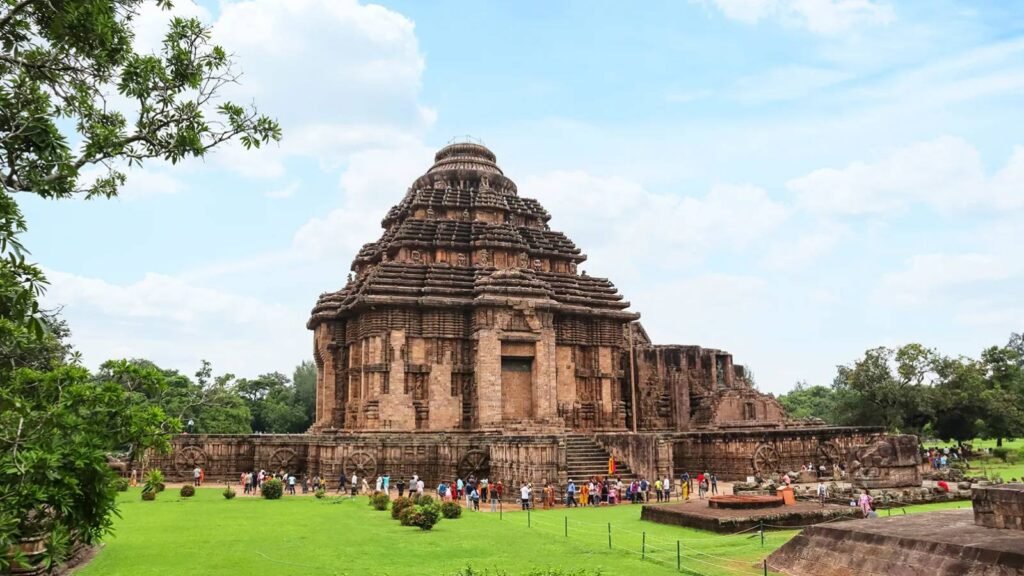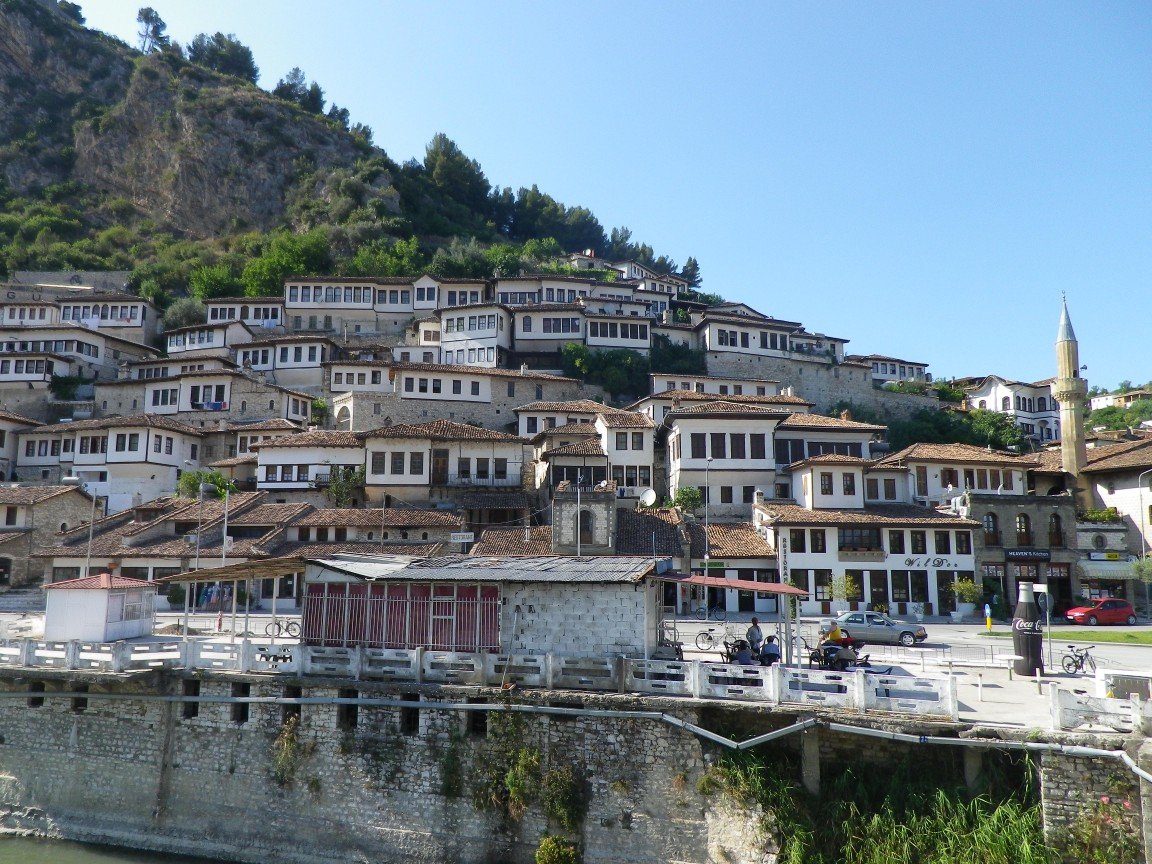
Most visitors to Japan follow a similar itinerary, one so well established that it’s often referred to as the “Golden Route.” It takes tourists through the country’s most famous sights and cityscapes: Tokyo, Kyoto, Osaka. But a whole other world awaits to the west.
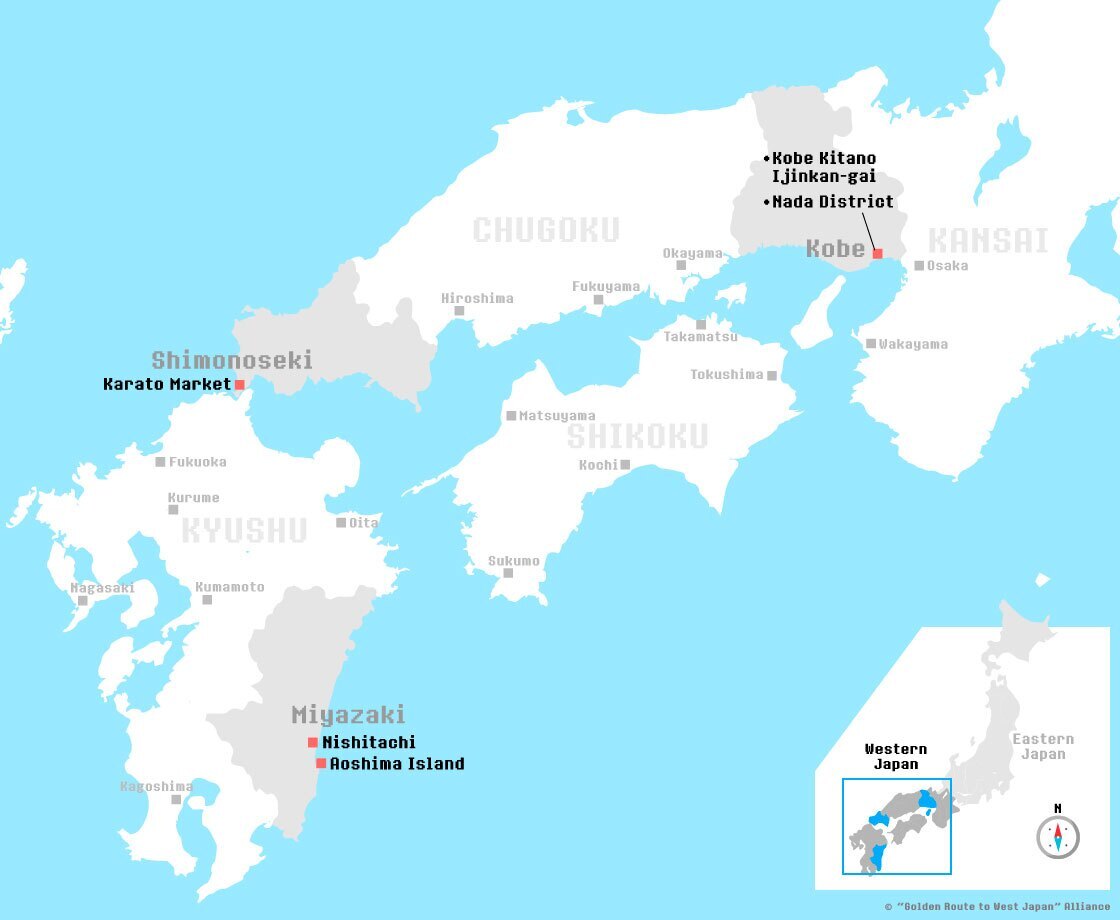
For those looking to go a little deeper, West Japan is an ideal place to explore. There’s a lot to uncover here: some of Japan’s most beautiful castles and gardens, coastal cities with literary legacies, active volcanoes powering sprawling networks of hot springs. But what really sets this region apart is its history of cultural exchange. Many of its cities have a distinctly cosmopolitan vibe, and its local traditions are subtly infused with varied international influences that stretch back centuries.
As a jumping-off point for planning your travels, we present the Golden Route to West Japan: 19 destinations that epitomize the unique character of western Japan, stretching from Kansai, across Shikoku and all the way to the southern tip of Kyushu.
See: Kyoto 1 Day Golden Route Bus Tour
These are places rich in history and culture, where centuries-old craftsmanship melds seamlessly with modern architecture and design. And, of course, there’s the food: regional specialties, some of them world-famous and some of them waiting to be discovered.
Traditional Culture and Historical Sites
Defined by soaring white walls and refined proportions, Himeji Castle, in its namesake city, is widely regarded as Japan’s most beautiful feudal castle. Its intact wooden interiors provide a rare chance to experi- ence the structure much as it existed centuries ago.

In Matsuyama, on the island of Shikoku, Matsuyama Castle rises above the city, offering panoramic views of the Seto Inland Sea. On Kyushu, Sengan-en in Kagoshima presents a different vision of tradition: a spacious garden created by the Shimadzu clan, designed to frame views of Sakurajima — one of Japan’s most active volcanoes — across the bay.

Where Nature Shapes Culture
Western Japan also boasts some of the country’s most remarkable natural beauty. Among its most striking sights are the towering Tottori Sand Dunes, stretching 16 kilometers along the Sea of Japan to create a landscape that feels truly otherworldly.
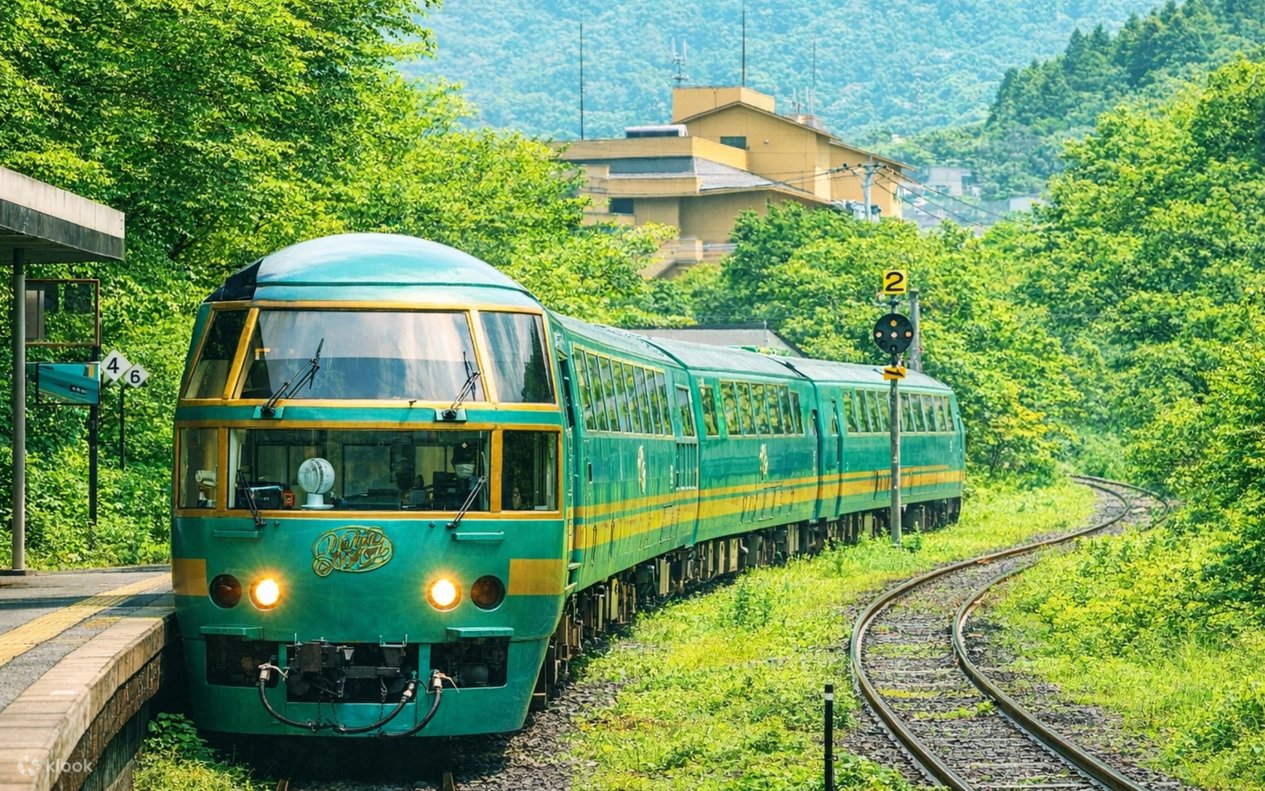
In Kyushu, geothermal activity shapes entire towns. Beppu is one of the country’s most renowned hot springs areas, with steam rising throughout the entire city. Several of its onsen are mentioned in ancient legends. Nearby, Yufu city is another popular hot spring resort, home to the enchanting Lake Kinrin. A floating torii gate at Tenso Shrine on its southeastern shore gives it an especially mystical feeling.

Off Kyushu’s northwestern coast, the lush Iki Island is famed for its coastal scenery, pristine shorelines and for Yunomoto Onsen, a 1,700-year-old hot spring village with iron-rich, reddish-brown waters.
Gateways to the World
Onomichi, a hillside town in Hiroshima, is a historic port city that’s known for its narrow, winding streets that meander between homes, temples and gardens — a perfectly picturesque backdrop for exploring on foot. Shimonoseki city is another glittering port city, the site of the Former British Consulate, Japan’s oldest surviving consulate building, now designated as an Important Cultural Property. Today, the first floor serves as a historical exhibition space, while the second floor operates as a British-style cafe and pub.
Kyushu’s Kumamoto city was once home to the Irish writer Lafcadio Hearn, known for authoring a collection of Japanese ghost stories. Sites like his former residence and the Memorial Museum of the Fifth High School, where he once taught, preserve his legacy and offer a glimpse into how Japan was first seen, interpreted and shared with the outside world.
Craftsmanship, Design and Art
Japanese Textiles and Modern Art
Western Japan has long been a place where craftsmanship and creativity thrive. Okayama Prefecture is a prime example. Known internationally as the birthplace of premium Japanese denim, the region has built its reputation through generations of textile production, which visitors can experience firsthand at workshops and shops. That creative spirit carries into Okayama city, where contemporary art and architecture are woven naturally into the urban fabric, and museums, galleries and design-forward spaces sit alongside historic streets.

Literary Tourism
Located on Shikoku’s northern coast and famous as the setting for Haruki Murakami’s Kafka on the Shore, Takamatsu is home to Ritsurin Garden and Takamatsu Castle Ruins, one of the country’s three great water castles. The city is also associated with Sanuki udon and serves as a key gateway to art sites across the Seto Inland Sea.

Takeo city, on Kyushu, is another site in western Japan with a strong literary legacy: The Takeo City Library and Historical Museum — with its warm wooden interiors, integrated cafe and inviting layout — has become a destination in its own right for design lovers and bibliophiles.
Regional Specialties, From Sushi to Kobe Beef
Kobe’s global reputation is closely tied to Kobe beef, produced from carefully raised Tajima cattle. After Kobe opened to foreign trade, overseas visitors popularized beef consumption at a time when it was not widely practiced in Japan. Today, it remains one of the country’s most iconic delicacies.

Seafood is central to many coastal cities; among them, Kitakyushu is in a league of its own. Bordered by three seas and supported by a highly efficient network of fishermen, wholesalers and chefs, the city is known for Kokura-mae sushi, which is seasoned with salt or citrus.
In Fukuoka, an iconic scene unique to the city unfolds each evening. Yatai — open- air food stalls — line central streets and riverbanks, serving Hakata ramen, yakitori and regional specialties. Nagasaki’s champon offers a different culinary perspective: a hearty noodle dish developed through contact with Chinese cuisine, now firmly embedded in local food culture and widely enjoyed as comfort food.
Further south, Miyazaki city is prized for its ingredients rather than specific dishes. The region is known for high-quality Miyazaki beef, richly flavored free-range chicken and the rare “Egg of the Sun” mangoes, cultivated to full ripeness under carefully controlled conditions.
Special Deal 💥: Yufuin Fairy Tale Town & Beppu One-Day Tour (40% OFF!)
More Info
To learn more about the Golden Route to West Japan, click here