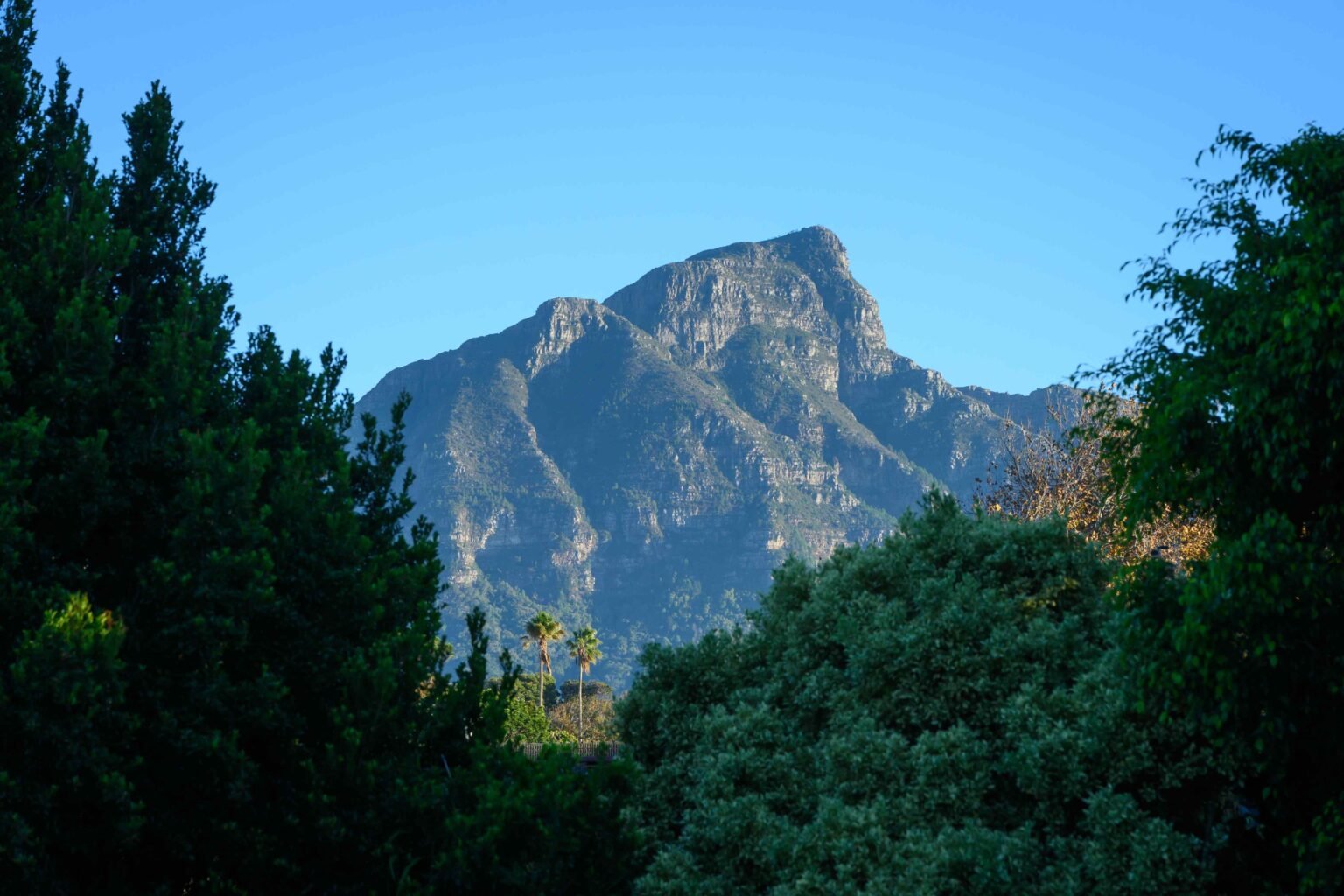
Costa Rica is one of those countries that genuinely delivers on the promise. The beaches are real. The volcanoes are active. The wildlife wanders through your hostel garden. The phrase pura vida, meaning pure life, is not just a tourist slogan: it reflects a pace and a philosophy that the country actually lives, and that most travellers find infectious within a day or two of arriving.
The challenge with Costa Rica is not finding somewhere beautiful to go. It’s narrowing it down. The country packs Pacific surf beaches, Caribbean coastline, cloud forest, rainforest, active volcanoes, and wildlife corridors into a landmass about the size of Denmark. The best places to stay in Costa Rica depend entirely on what you’re looking for, and this guide breaks them down destination by destination.
From the volcano views of La Fortuna to the Caribbean rhythms of Puerto Viejo, here’s where to go, what to do, and which Hostelworld-listed hostels to book when you get there.

🌋 La Fortuna: Arenal Volcano Country
La Fortuna is built around one thing: the Arenal Volcano, a nearly perfect cone rising 1,670 metres above the surrounding jungle. On clear days it dominates the skyline. On cloudy ones you can still hear it. The town itself is small, warm, and extremely well set up for travellers, with tour operators, local restaurants, and a bus and shuttle network that connects to the rest of the country easily.
The surrounding area is extraordinary. Natural hot springs warmed by geothermal activity. La Fortuna Waterfall, a 70-metre cascade into a blue pool reachable by a steep trail through the rainforest. The Hanging Bridges of Mistico Park, a series of suspension walkways through the forest canopy with wildlife you’ll see at eye level. Kayaking on Lake Arenal. Whitewater rafting on the Sarapiquí River.
La Fortuna is the most activity-dense destination in Costa Rica. Give it at least three days.
Quick tip: Hot springs range from budget local pools (around $10) to luxury resort experiences ($80+). Ask your hostel which option suits your budget. The local ones are genuinely good.
🏨 Best Hostels in La Fortuna

🛌 Book Arenal Backpackers Resort
Arenal Backpackers Resort
The social benchmark in La Fortuna. A pristine pool with a wet bar, direct views of the Arenal Volcano, a large garden full of hammocks, a pool table, tour desk, and 24-hour security. Private rooms, dorms, and a new luxury camping area with double mattresses, fans, and power sockets. The happiest reviews on Hostelworld for La Fortuna belong here. The best pick for travellers who want atmosphere, activity, and people to explore with.
Dorms from around €17, privates from around €11

Alpha Arenal Hostel
A rustic, social atmosphere with a fully equipped kitchen, free coffee all day, terrace hammocks, and a staff team that organizes nighttime hot springs tours, volcano hikes, rafting, and ziplining. Reviews are warm about Wilson and the female staff, who consistently go above what’s needed to help guests get the most out of the area. Volcano views from the terrace, great for solo travellers.
Dorms from around €11, privates from around €11

Poshtel Arenal
Right in the heart of La Fortuna, surrounded by lush tropical gardens, with a pool bar that doubles as the social hub of the hostel. Deluxe and budget private rooms plus shared dorms. Free WiFi, a shared kitchen, and a tour desk to organize everything from ATV adventures to hot spring evenings. Reviews consistently praise the friendly staff and the lively atmosphere.
Dorms from around €15, privates from around €19

🌿 Monteverde: Cloud Forest and Canopy Walks
Monteverde is where Costa Rica goes quiet. The cloud forest sits at around 1,500 metres, permanently swathed in mist and extraordinary biodiversity. This is one of the best places in the world to see a resplendent quetzal, the iridescent green bird that has become a symbol of Central American conservation, and the surrounding reserve is home to over 400 bird species, big cats, tapirs, and thousands of plant species that exist nowhere else on earth.
The town of Santa Elena is the gateway, small and walkable with good cafes, tour operators, and a community of artists that gives the place a creative energy unusual in a mountain village. From here, zipline tours launch across the canopy. Night walks through the reserve reveal creatures invisible by day. Cheese factories, butterfly gardens, and a cloud forest reserve covering 10,500 hectares are all within easy reach.
Getting there takes time from anywhere: winding mountain roads in every direction. That remoteness is the point. The journey sheds the crowds and adds to the atmosphere.
🏨 Best Stays in Monteverde

Monteverde Backpackers
In the heart of Santa Elena, five minutes from the bus station and right next to the main supermarket. All rooms have private hot-water bathrooms and lockers. Free coffee and tea available all day. Self-service breakfast from 7:15am. A fully equipped kitchen, Smart TV, fast WiFi, and a staff team that knows every tour, shuttle, and bus connection in the country. The most practical and reliable budget option in Monteverde.
Dorms from around €7, privates from around €16

🛌 Book Camino Verde Hostel and B&B
Camino Verde Hostel and B&B
Overlooking the Monteverde forest with panoramic views that make you want to stay longer than planned. Friendly staff who are also experienced tour agents and give genuinely impartial advice on local companies and activities. Pick-and-mix tour packages organized to suit individual budgets. Luggage storage for late departures. Reviews describe it as a home away from home, with a rustic warmth that fits the cloud forest setting.
Privates from around €20

🛌 Book Hostels in Santa Teresa
🏄 Santa Teresa: Pacific Surf and Pura Vida Energy
Santa Teresa is Costa Rica’s surf town in the best sense: unpretentious, beautiful, and built around the rhythm of the ocean. The Nicoya Peninsula catches reliable swell year-round, making it a destination for beginners learning on the long rolling waves of Playa Hermosa and for experienced surfers chasing Suck Rock. The main road is unpaved, the restaurants are largely open-air, and the evenings follow a natural progression from beach sunset to dinner to bar with effortless ease.
But Santa Teresa is more than surf. Yoga studios, wellness retreats, and a food scene that punches well above its size attract travellers who have no interest in surfing at all. The jungle behind the coast is alive with wildlife, the nearby Cabo Blanco Nature Reserve is a pristine protected forest, and Montezuma, 40 minutes away by ferry, adds waterfall hikes and hippie charm to the itinerary.
🏨 Best Hostels in Santa Teresa

Lost Boyz
Free breakfast, free welcome shot, a swimming pool, a treehouse, a campfire, a snooker table, and a wood-fired pizza restaurant on site. Reviews describe it as one of the most social hostels in Costa Rica, with a crowd that heads to the beach together for sunset and to the clubs together after dark. Daily yoga classes, pool parties, surf lessons, ATV rental, and bioluminescence tours all organized from reception. The full Santa Teresa experience.
Dorms from around €20, privates from around €31

Somos
A contemporary refuge surrounded by wild landscapes. Open-air design, a beautiful pool area, a co-working space, and an atmosphere built around bringing travellers from different places together. Reviews talk about friendships made for life. Less party-focused than Lost Boyz, better suited to travellers who want to work, slow down, and explore the peninsula properly. Stunning design throughout.
Dorms from around €11, privates from around €17

🛌 Book Hostels in Puerto Viejo
🌊 Puerto Viejo: The Caribbean Side of Costa Rica
Puerto Viejo de Talamanca is a completely different Costa Rica from the Pacific coast. The Caribbean air is heavier, the music shifts to reggae and calypso, the food takes influence from Afro-Caribbean traditions, and the pace drops several notches in a way that genuinely affects how you spend your days. Bicycles, hammocks, and Playa Cocles, a long, palm-lined beach of extraordinary beauty, are the defining features of life here.
The surrounding area includes the Jaguar Rescue Center (volunteers welcome), the Gandoca-Manzanillo Wildlife Refuge, and some of the most biodiverse marine environments in Central America for snorkeling. The Salsa Brava surf break, one of the most powerful reef breaks in the region, draws experienced surfers from across the world.
Puerto Viejo is the kind of place people arrive in for two nights and leave a week later. Plan for this.
Worth knowing: Bring cash. ATMs in Puerto Viejo run out regularly, especially on weekends. Withdraw in San José or Limón before arriving.
🏨 Best Hostels in Puerto Viejo

Pagalu Hostel
Rated 9.4 to 9.5, consistently the top-rated hostel in Puerto Viejo on Hostelworld. Two minutes from Playa Negra, surrounded by lush greenery, with a variety of dorm, single, and double room options. An excellent restaurant and bar on site, free WiFi, and a social lounge where guests reliably end up spending the evening together. Reviews are effusive about both the setting and the service.
Dorms from around €10

La Ruka Hostel
Created in 2011 by fellow travellers who wanted a home away from home, and it shows. Five minutes from Salsa Brava and the town center, five minutes by bike from Playa Cocles. Nestled between jungle and ocean, with a peaceful garden that becomes the social heart of every afternoon. The description is precise: it’s a home, not a transit point. Reviews describe it warmly and return visits are common.
Dorms from around €13

🛌 Book Oasis Beachfront Hostel
Oasis Beachfront Hostel
A beachfront setting with dorms, private rooms, camping spots, a cabin with its own porch, and free morning coffee. One recent reviewer booked two nights and stayed six. A baby sloth lives in a tree just outside the common area. New owners who are investing in the property and earning enthusiastic reviews for it. The most atmospheric beach option in Puerto Viejo.
Dorms from around €10

🛌 Book Hostels in Manuel Antonio
🐒 Manuel Antonio: Jungle, Beach, and Wildlife in One Place
Manuel Antonio combines a world-class national park with one of Costa Rica’s most accessible Pacific beaches. The national park has four beaches, resident monkey populations (white-faced capuchins, squirrel monkeys, mantled howlers), sloths you can watch from the trail, and a coral reef for snorkeling, all within a 48-square-kilometer protected area. Wildlife density in Manuel Antonio National Park is among the highest in the country, and the park trails are well-maintained and genuinely rewarding even for casual walkers.
The town of Quepos, a few kilometers away, provides the practical base with good restaurants, supermarkets, and bus connections to San José. Manuel Antonio village sits between the town and the park entrance.
- Walking the park early morning gives the best wildlife encounters
- Titi monkeys (squirrel monkeys) are endangered and found almost exclusively in this region
- The beach at Playa Biesanz, a short walk from town, is quieter than the park beaches
🏨 Best Hostels Near Manuel Antonio

Hostel Plinio
Surrounded by wildlife, with an ocean view from the terrace and a pool, bar, and patios that make it genuinely difficult to leave. A rustic hostel that lives up to the “jungle meets beach” promise of Manuel Antonio entirely. Reviews are warm about the good vibes, the staff, and the atmosphere that makes solo travellers feel immediately comfortable. Towels included, tours organized on request.
Dorms from around €17
💸 What Will Costa Rica Cost?
Costa Rica is one of the more expensive destinations in Central America, but budget travel is entirely manageable.
| Category | Approximate Cost |
|---|---|
| Hostel dorm | €10-25/night |
| Casado (local lunch set) | €5-9 |
| Fresh fruit smoothie | €3-5 |
| Beer (local Imperial) | €2-4 |
| Bus San José to La Fortuna | €5-8 |
| Shuttle (La Fortuna to Monteverde) | €25-35 |
| National park entry (Manuel Antonio) | €20 |
| Hot springs (local) | €8-15 |
| Surf lesson | €30-50 |
Daily budget tip: Cook in your hostel kitchen when possible, eat at sodas (local family-run restaurants) rather than tourist restaurants, and take public buses where practical. A comfortable backpacker day in Costa Rica runs €40-60 all in.

🚌 Getting Around Costa Rica
Public buses connect all major destinations cheaply. San José is the hub, and most intercity routes pass through or start there. Slow but affordable, and an authentic way to travel.
Shuttle buses are the middle ground: more expensive than public buses but faster, air-conditioned, and door-to-door between major tourist destinations. Companies like Interbus and Grayline cover all the major routes. Book in advance in high season.
Shared taxis and boat-taxis are essential for some routes. The La Fortuna to Monteverde boat-taxi across Lake Arenal is faster and more scenic than the bus. Ask your hostel for the current best option.
Renting a 4WD unlocks remote areas and is genuinely useful in the rainy season when some roads require clearance. Needed for places like the Osa Peninsula and remote Pacific beaches.
Domestic flights connect San José to Quepos (Manuel Antonio), Puerto Jiménez, and Liberia cheaply and quickly, cutting multi-hour bus journeys to 30 minutes. Sansa and Sky Air are the main operators.
🗓️ Best Time to Visit Costa Rica
Costa Rica has two distinct seasons and the experience differs significantly between them.
Dry season (December to April) is peak season on the Pacific coast. Clear skies, calm seas, easy travel. July and August are a micro dry season called veranillo on the Pacific. Book hostels well in advance for December, January, and Easter week.
Rainy season (May to November) brings daily afternoon downpours, lower prices, lush green landscapes, and fewer tourists. Rain rarely lasts all day. The Caribbean coast (Puerto Viejo) has an inverse pattern: May to September and November to December tend to be drier on the Caribbean side.
September and October are best to avoid on the Pacific coast, when rain is heaviest. The same months are often beautiful in Puerto Viejo.

✅ Final Thoughts: Costa Rica Does What It Promises
Most destinations require some adjustment between expectation and reality. Costa Rica is one of the few places where reality keeps pace. The wildlife shows up. The volcanoes are visible. The surf breaks are real. The forest is dense and alive and genuinely thrilling to walk through.
The key is not trying to do all of it. Two weeks covering La Fortuna, Monteverde, and the Pacific coast will feel rushed. La Fortuna and Puerto Viejo alone, done slowly with a week each, will feel like a complete trip. Add Santa Teresa for a third week and you’ll leave having seen a representative slice of what makes this country extraordinary.
Take the slow bus once. Eat the casado at the soda next to where the locals eat. Spend a morning in the national park before anyone else arrives. These are the things that stay with you.
❓ FAQs: Best Places to Stay in Costa Rica
By Central American standards, yes. By global backpacker standards, it’s mid-range. Budget travellers can manage comfortably on €40-60 per day, but accommodation and transport are pricier than in Guatemala or Nicaragua.
The fastest option is the jeep-boat-jeep shuttle across Lake Arenal, taking around three hours. The bus takes around eight hours via Tilarán. The boat-taxi is significantly better value for the time saved.
Yes, for the most part. Costa Rica is one of the safer countries in Central America. The main tourist areas are well-travelled and the hostel communities are welcoming. Standard urban precautions apply in San José, and petty theft at beaches can occur. Leave valuables in your hostel locker.
Playa Cocles near Puerto Viejo, Playa Santa Teresa, and Playa Manuel Antonio are all among the country’s finest. For remote and wild, the beaches of the Osa Peninsula (Corcovado) are extraordinary.
Citizens of the US, UK, EU, Canada, and Australia do not need a visa for stays under 90 days. Always verify requirements before booking.
December to April in the dry season. The national park is open year-round, but the dry season gives better beach conditions and easier hiking. Book the park entrance online in advance, as daily visitor numbers are capped.
Yes, but it takes planning. Public buses over shuttles, sodas over restaurants, hostel kitchens over bars, and free activities like national parks with early morning wildlife walks will stretch a limited budget significantly further.