
The Santa Cruz Mountains might not be as famous as Napa, but you could argue that no better encapsulates the feeling of California than this one. The rugged mountain range runs from the San Francisco Peninsula to the top of the Salinas Valley on the Central Coast, dividing the beaches of Santa Cruz County from Silicon Valley and the broader Bay Area. There’s fog from the Pacific Ocean, forests dense with soaring redwoods, soil that has been upheaved and rearranged for millennia by the instability of the San Andreas Fault.

The richness of this environment results in an extraordinary range of terroirs. On the warmer east side, where the drier, scragglier oak and manzanita woods house wineries looking down on the Santa Clara Valley, vintners can produce stunningly complex cabernet and its ilk, including the highly sought-after Ridge Vineyards Monte Bello bottling. Cross over the summit to the west slope, and suddenly you (and the vines) are bathed in fog, in the shade of redwoods. These cooler sites are ideal for pinot noir and chardonnay, both of which have a legacy here that extends back more than a century.
Indeed, these mountains have a long history to draw upon—one that long predates the appellation’s 1981 creation. A physician named Osea Perrone planted the Cupertino property that would become Ridge Monte Bello all the way back in 1885; not long after, Paul Masson brought pinot noir and chardonnay cuttings from his native Burgundy, believing that this was the place to make the finest sparkling wine in America. Masson founded the La Cresta estate, establishing the mountains as prime territory for cool-climate winegrowing, a legacy that a former stockbroker named Martin Ray would carry on at what would become Mount Eden Vineyards. The iconoclastic nature of the area, where the hippies ruled (Ken Kesey and the Merry Pranksters held their acid tests in the mountain town of La Honda) and the information age was born (back when tech pioneers worked in garages, not billion-dollar compounds), drew experimental, do-it-yourself types like Randall Grahm, who came to fame producing Rhône-style wines at Bonny Doon Vineyard.
A down-to-earth, go-your-own-way ethos still pervades the place, with the tasting rooms at even the most acclaimed wineries laid-back and uncrowded. This is surely in part because of the isolated nature of the mountain properties. Ridge and Mount Eden are maybe two miles from each other as the crow flies, but navigating the winding mountain roads from one to the other takes a good 45 minutes. (And, after you’ve maneuvered through a couple of switchbacks, using those spit buckets will feel even more sensible.) Some tasting rooms are only open during the week, others only on the weekend, so plan ahead.
The good news: While the Santa Cruz Mountains feel worlds away, they’re actually quite close to civilization. Los Gatos, a restaurant-filled San Jose suburb in the eastern foothills, is only about an hour’s drive from San Francisco or Oakland, and downtown Santa Cruz is just half an hour further (if you avoid weekend beach traffic). You can hit a couple of wineries on a day trip from the city, or book yourself a beachside stay and enjoy the best of California: relaxed decks and patios, paroramic views and idyllic forests, modest tasting fees and chill vibes, and, of course, exceptional wines.
A Farm-to-Table Spread – The Midway
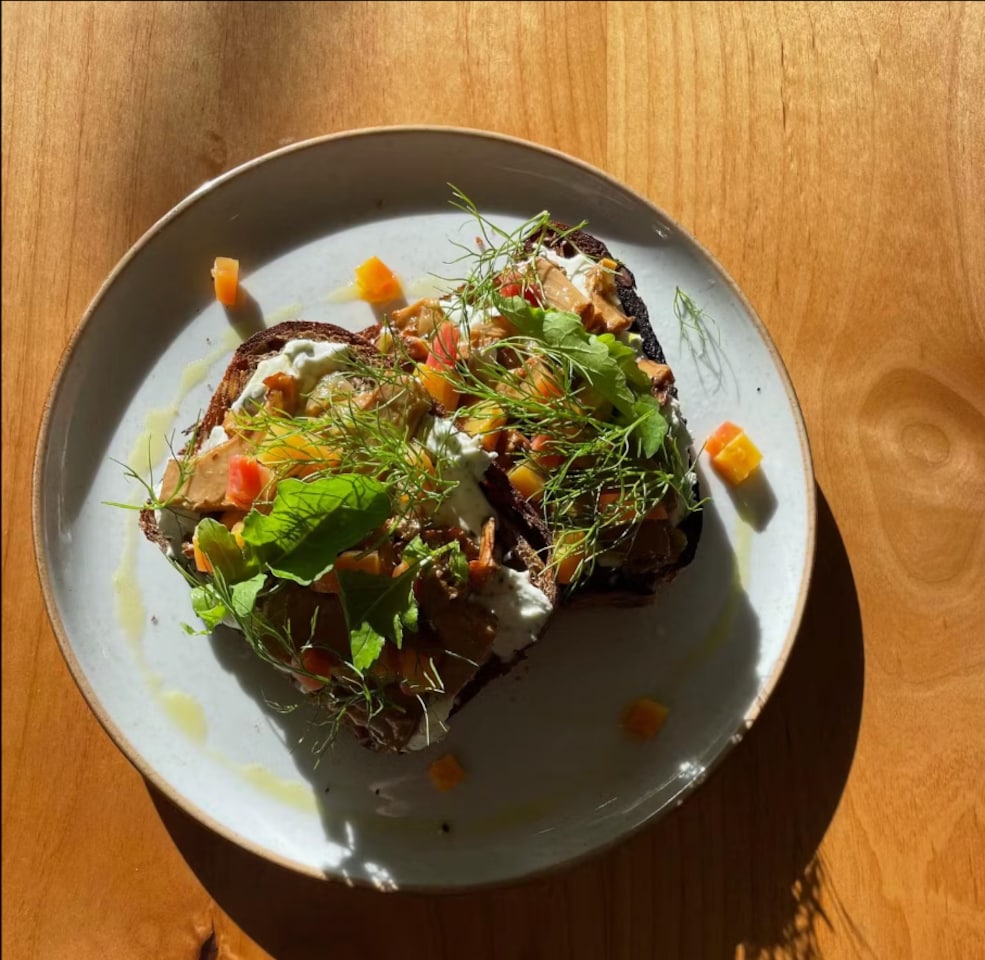
Before you head out of town for a bit, a standout lunch (or brunch) awaits. Chef Katherine Stern transitioned from pop-ups to brick-and-mortar when she opened the farmers market-forward Midway in Santa Cruz’s pleasant Seabright neighborhood in 2023. You might opt for the stack of buttermilk pancakes, or so gavory with a plate of Fogline Farm chicken sausage and potatoes, or harissa-inflected lentils with delicata squash.
Lunch, With a Side of History – Testarossa
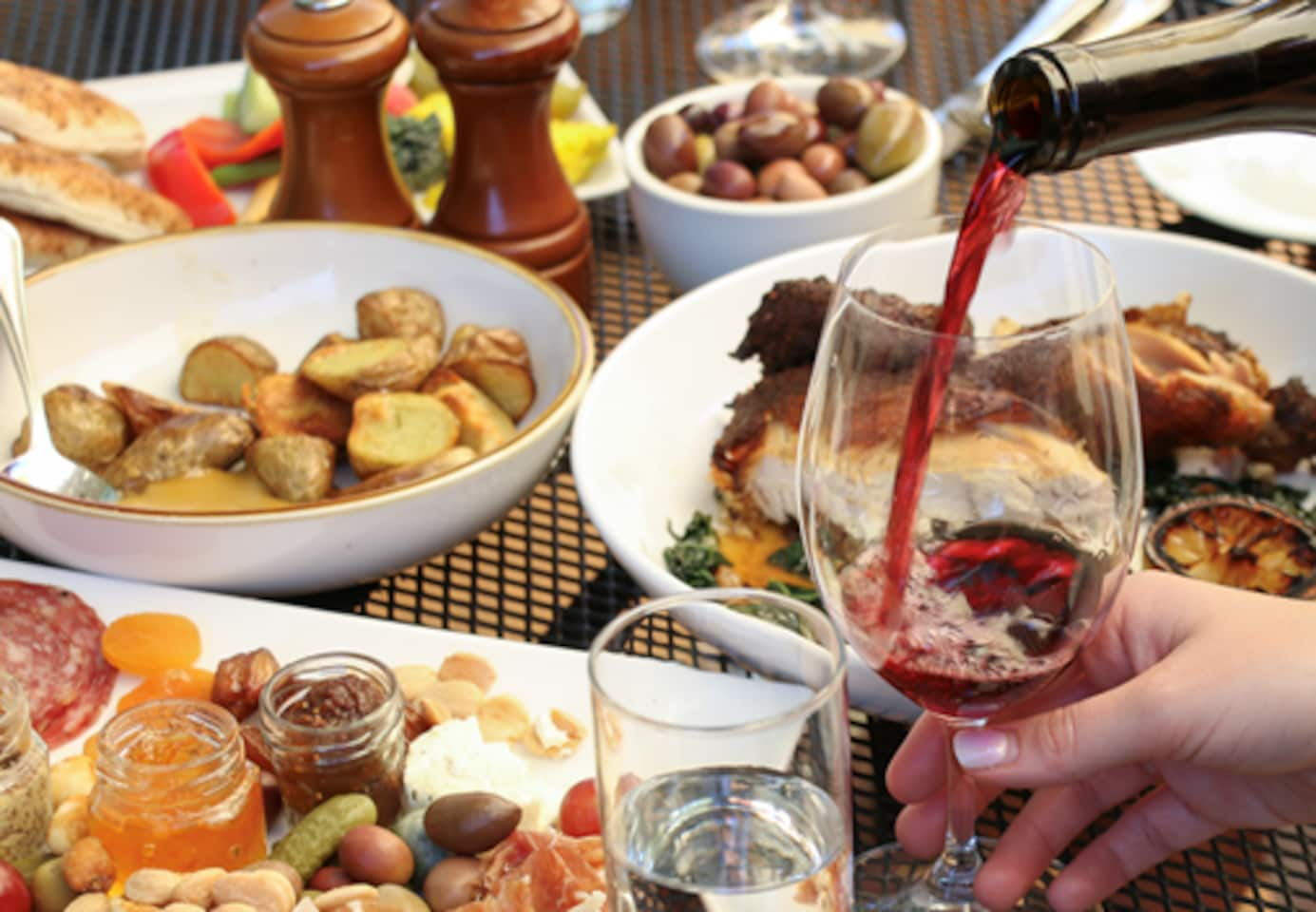
You’ll have to navigate down the hill for lunch, but you can keep the historic winery theme going at Testarossa, whose on-site restaurant, 107 Bistro & Wine Bar, occupies the stone cellar of the 19th-century Novitiate Winery, one of the oldest in the state. The menu ranges from black garlic shrimp and king salmon al pastor tacos to pizzas and steak frites, along with a variety of Testarossa pinot noirs and chardonnays.
Farm-to-Table Brunch – Copal
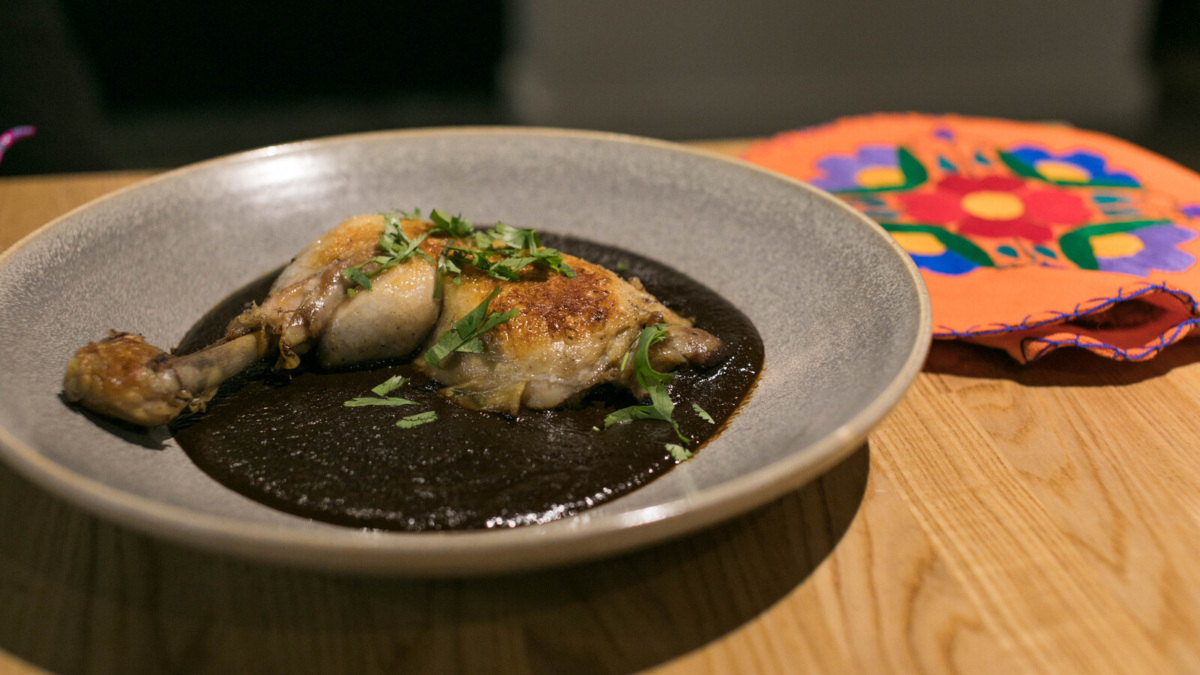
Before you head out of town, this bright Mexican restaurant is along Mission Street just west of downtown. Chef Ana Fabian Mendoza is from a small town in Oaxaca, and she focuses largely on the cuisine of her home state, serving a wide variety of moles, as well as molotes (masa frittters), tlayudas, and chapulines. Should you happen to be back later in the day, Copal’s bar has an impressive selection of agave spirits, and an inventive cocktail program.
Book here